
UK Medical Cannabis Registry: A Clinical Outcomes Analysis for Autism Spectrum Disorder
Abstract
Introduction:
Autism spectrum disorder (ASD) is a neurodevelopmental disorder associated with distressed behaviors and psychological challenges. This study aims to evaluate the change in health‐related quality of life (HRQoL), anxiety, and sleep quality in autistic individuals prescribed cannabis‐based medicinal products (CBMPs).
Method:
This observational case series analyzed data from the UK Medical Cannabis Registry on autistic adults treated with CBMPs. Demographic and clinical data were collected at baseline, with patient‐reported outcome measures assessed up to 18 months. Primary outcomes included changes in anxiety (GAD‐7), sleep quality (SQS), and HRQoL (EQ‐5D‐5L). Secondary outcomes included the incidence of adverse events. Statistical significance was indicated by p < 0.050.
Results:
One‐hundred and thirty individuals met the inclusion criteria. GAD‐7 (p < 0.001) and SQS (p < 0.001) scores improved from baseline to 18 months. EQ‐5D‐5L index values showed improvement from baseline (0.43 ± 0.30) to 18 months (0.51 ± 0.32, p < 0.001), and PGIC scores increased from 1 month (5.43 ± 1.49) to 18 months (5.65 ± 1.32, p = 0.013). Twenty‐five participants (19.23%) reported a total of 232 (178.46%) adverse events, with most being mild (n = 88; 67.69%) or moderate (n = 99; 76.15%).
Conclusion:
Treatment with CBMPs was associated with improvements in HRQoL, anxiety, and sleep outcomes in autistic patients over an 18‐month period. Given the absence of a control group, these findings represent associations rather than proven treatment effects. Further high‐quality randomized controlled trials are needed to confirm the long‐term efficacy and safety of CBMPs in ASD.
Article type: Research Article
Keywords: anxiety, autism spectrum disorder, cannabidiol, cannabis, tetrahydrocannabinol
Affiliations: Medical Cannabis Research Group Imperial College London London UK; Curaleaf Clinic London UK; St. George’s Hospital NHS Trust London UK; Department of Psychological Medicine Kings College London London UK; South London & Maudsley NHS Foundation Trust London UK
License: © 2026 The Author(s). Neuropsychopharmacology Reports published by John Wiley & Sons Australia, Ltd on behalf of the Japanese Society of Neuropsychopharmacology. CC BY 4.0 This is an open access article under the terms of the http://creativecommons.org/licenses/by/4.0/ License, which permits use, distribution and reproduction in any medium, provided the original work is properly cited.
Article links: DOI: 10.1002/npr2.70146 | PMC: PMC13323844
Relevance: Moderate: mentioned 3+ times in text
Full text: PDF (1.3 MB)
Introduction
Autism spectrum disorder (ASD) is a neurodevelopmental disorder, marked by ongoing challenges in social communication and interaction, along with the presence of restricted, repeated behaviors, interests or activities [ref. 1]. The global prevalence of ASD is estimated to be 0.6%, and is increasing [ref. 2]. In addition to the core features of ASD, individuals may display distressed behaviors, such as aggression towards self and others, and experience psychiatric comorbidities, such as anxiety or depression [ref. 3, ref. 4]. These behaviors often persist into adulthood, and a study found that 69% of their adolescent and adult patients continued to experience distressed behaviors, including self‐injurious behavior and stereotypy [ref. 5]. Individuals with ASD also experience co‐occurring comorbidities including sleep disorders, affecting an estimated 50% to 83%, which can exacerbate distressed behaviors [ref. 6]. As a result, ASD is linked to a lower quality of life in both pediatric and adult patients, as well as their caregivers [ref. 7, ref. 8].
ASD treatment does not seek to change the core features of the condition, but rather treat associated distressed behaviors or psychiatric conditions [ref. 9]. There is a paucity of high‐quality evidence on the efficacy of these therapies in ASD [ref. 10, ref. 11]. Conventional pharmaceutical treatments may include selective serotonin reuptake inhibitors and atypical antipsychotics, such as risperidone and aripiprazole, which have shown to reduce some dimensions of symptoms associated with ASD [ref. 12]. However, these medications often have poor tolerability [ref. 13, ref. 14], and approximately 30%–50% of patients do not respond adequately [ref. 15]. Therefore, there is growing interest in exploring alternative and novel treatments for distressed behaviors or psychiatric conditions associated with ASD, including cannabis‐based medicinal products (CBMPs) [ref. 16].
The endocannabinoid system (ECS) is a widespread neuromodulatory network that has been linked to the pathophysiology of ASD and is viewed as a potential target for drug development. The principal receptors of the ECS are cannabinoid receptor‐1 (CB1R) and cannabinoid receptor‐2 (CB2R) [ref. 17]. CB1Rs are primarily found in the central nervous system, particularly concentrated in the cortex, hippocampus, amygdala, and cerebellum [ref. 18]. They are predominantly located on presynaptic terminals of gamma‐aminobutyric acid (GABA)ergic and glutamatergic neurons [ref. 19]. CB1R activation inhibits GABA and glutamate release, a process mediated by the endogenous ligand anandamide [ref. 20]. Studies have suggested that pediatric patients with ASD have a reduction in endogenous CB1 agonist, anandamide, compared to controls [ref. 21, ref. 22, ref. 23]. This may partly explain the sleep disturbance commonly experienced by those with ASD, as anandamide has been shown to promote stage 3 non‐REM sleep [ref. 24]. Furthermore, a murine preclinical study showed that selective loss of CB1R alters social behavior and communication, emphasizing the role of the ECS in ASD [ref. 25]. CB1R deficiency has also been linked to co‐morbid psychiatric issues, such as depression, which are commonly seen in ASD and can exacerbate altered social behavior [ref. 26]. Reduced CB1R activity has also been shown to impair serotonin feedback mechanisms, increasing emotional lability [ref. 27].
The primary active compounds in CBMPs are cannabidiol (CBD) and Δ9‐tetrahydrocannabinol (THC) [ref. 28]. CBD functions as a negative allosteric modulator of CB1R [ref. 29], and can raise anandamide levels through inhibition of its enzymatic degradation [ref. 30, ref. 31]. It is also an agonist of 5‐hydroxytryptamine 1A serotonin receptors [ref. 32]. THC, meanwhile, is a partial agonist of CB1R [ref. 33]. Whilst further evidence is needed, these phytocannabinoids have shown potential clinical effects in various conditions, including epilepsy [ref. 34], chronic pain [ref. 35], improving anxiety symptoms [ref. 36], and enhancing sleep quality [ref. 37]. Consequently, they have been recognized as a promising therapeutic option for managing the variety of symptoms linked with ASD [ref. 38, ref. 39].
Clinical research has indicated that CBD produces effects on neural connectivity and glutamate and GABA neurotransmitter signaling in brain regions associated with ASD [ref. 40, ref. 41]. Furthermore, a randomized controlled trial involving eight participants aged 8 to 16 years with ASD showed that an 8‐week treatment with 20 mg/kg/day of CBD resulted in improvements in Aberrant Behavior Checklist scores [ref. 42]. This included improvements in hyperactivity, irritability, and stereotypic behavior, with similar results corroborated by a study conducted by Barchel et al. [ref. 43]. Another study conducted by Aran et al. involving 60 children found that a combination of CBD and THC in a 20:1 ratio resulted in significant improvements: 61% of participants experienced reductions in distressed behaviors, 39% showed decreased anxiety, and 47% exhibited progress in communication [ref. 44]. Moreover, CBMPs have demonstrated good tolerability with mild side effects [ref. 43, ref. 45].
The data for CBMPs for ASD is promising, and a previous UKMCR study showed improvements in overall health‐related quality of life (HRQoL), sleep, and anxiety symptoms following the initiation of treatment with follow up to 6 months [ref. 46]. However, there remains a paucity of high‐quality clinical data regarding the efficacy of this treatment option, particularly in adults. Current studies are constrained by short follow‐up periods and small sample sizes, with many failing to use validated measures to evaluate changes in symptoms over time. Whilst there are promising upcoming clinical trials in pediatric patients (NCT04745026 [ref. 47], NCT04520685 [ref. 48]), there are currently no randomized controlled trials examining the use of CBMPs for ASD in adult patients. Utilizing real‐world data, this study primarily aims to assess the HRQoL outcomes and incidence of adverse events among adult patients registered with the UK Medical Cannabis Registry (UKMCR), who are prescribed CBMPs for ASD up to 18 months.
Methods
Study Design and Participants
This study examines a case series of patients receiving CBMPs through the UKMCR for a primary diagnosis of ASD. Since its establishment in 2019, the UKMCR has been compiling pseudonymised data for those prescribed CBMPs across the United Kingdom and Crown Dependencies. Privately owned by Curaleaf Clinic, the UKMCR is the most comprehensive registry of its kind [ref. 49].
Patient data is collected through both clinical consultations and a custom electronic reporting system. Written informed consent is obtained from participants before enrolment. Ethical approval for this study was granted to the UKMCR by the Central Bristol Research Ethics Committee (reference: 22/SW/0145).
Data Collection
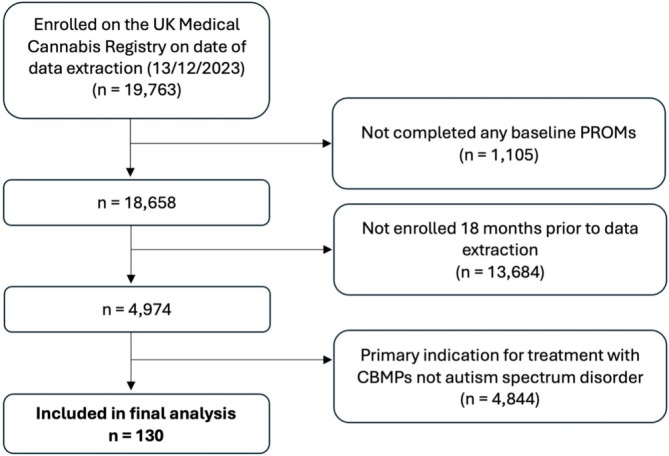
Inclusion criteria required patients to be undergoing CBMP treatment where ASD was the primary indication and a minimum of 18 years old. Individuals treated with CBMPs for other conditions were included only if the symptomatic focus of treatment was assessed to be primarily related to ASD. Participants were excluded if baseline patient‐reported outcome measures (PROMs) were incomplete or if CBMP treatment had commenced within 18 months prior to the UKMCR data extraction on December 13, 2023.
During the initial consultation, patient demographic details, including gender, age, occupation, and body mass index (BMI) were collected. The Charlson Comorbidity Index was utilized to assign each patient a score informed by their age and recorded medical conditions [ref. 50]. A higher index score is linked to a greater mortality incidence at both 1 and 10 years [ref. 51]. It is a recognized and validated tool, frequently used to assess comorbidities in registries, facilitating comparisons of comorbidity levels between other studies [ref. 51].
Data on tobacco use was recorded in pack years, and alcohol consumption was recorded as weekly units. Cannabis status was classified into three categories: ‘never used,’ ‘ex‐user,’ or ‘current user.’ Participants with a history of cannabis consumption were not obligated to provide proof of abstinence from cannabis prior to starting therapy; however, they were counseled to stop all other forms of cannabis. Cannabis gram years, a metric developed to quantify lifetime cannabis use, was calculated for both current and ex‐users. It is calculated by multiplying the daily mean cannabis intake (in grams) by the duration of use (in years) [ref. 52]. The use of non‐prescribed cannabis and other illicit drugs, excluding cannabis, was not documented.
Details about the CBMP prescription, including THC and CBD dosages, formulation, strain, and administration route were recorded from each prescription. Depending on the clinical requirement, patients were offered either oral/sublingual (oils) or vapourised (dried flower) forms of the CBMPs. The CBMP dosage was calculated by multiplying the concentration (mg/g or mg/ml) by the amount prescribed for daily use (g/day or ml/day).
Patient‐Reported Outcome Measures
The primary outcomes assess changes in PROM scores from baseline through follow‐up at 1, 3, 6, 12, and 18 months. These PROMs included the Generalized Anxiety Disorder‐7 (GAD‐7), Single‐Item Sleep Quality Scale (SQS), EuroQol‐5 Dimension‐5 Level (EQ‐5D‐5L), and Patient Global Impression of Change (PGIC). The PGIC was only collected at follow‐up assessments, not at baseline.
Baseline PROMs were completed prior to patients receiving their initial CBMP prescription. These PROMs were reassessed at 1, 3, 6, 12, and 18 months. Comparison between follow‐up months and baseline scores facilitated monitoring of CBMP therapy.
The GAD‐7 is a tool used to screen for generalized anxiety disorder and assess its severity. It contains 7 questions that focus on symptoms experienced in the past two weeks [ref. 53]. The total score can range from 0 to 21, with scores of ≥ 5, ≥ 10, and ≥ 15 representing mild, moderate, and severe anxiety, respectively [ref. 53]. A change of ≥ 4 points is regarded as the minimal clinically significant difference (MCID) [ref. 54].
The SQS evaluates an individual’s perception of their sleep quality by asking them to rate their sleep over the past week on a scale from 0 (terrible) to 10 (excellent) [ref. 55]. From baseline to follow‐up, the MCID is considered a mean score change of 2.6 [ref. 55].
The EQ‐5D‐5L is a tool used to assess health‐related quality of life (HRQoL) across five dimensions: anxiety/depression, mobility, pain/discomfort, self‐care, and usual activities [ref. 56, ref. 57]. Each dimension is rated from 1 (no problems) to 5 (extreme problems), and the results are combined into a 5‐digit code, which is converted into an index score [ref. 58]. A score of 1 indicates optimal health, while values below 0 reflect a state worse than death [ref. 59]. The EQ‐5D‐5L provides a standardized measure of HRQoL, with country‐specific index values [ref. 59].
The PGIC is used to evaluate a patient’s perceived change in health since starting treatment [ref. 60]. Patients rate their improvement or deterioration on a 7‐point scale, with 1 indicating no change or worsening of the condition, and 7 indicating significant improvement [ref. 61].
Secondary outcomes involved evaluating the incidence and severity of adverse events (AEs).
Adverse Events
Adverse events were captured through patient self‐reports contemporaneously, during completion of PROMs, or by clinicians during regular follow‐up visits, and were categorized according to the Common Terminology Criteria for Adverse Events version 4.03 [ref. 62]. The frequency of each adverse event and its severity are calculated as a proportion of the total study population, rather than the total number of adverse events.
Missing Data
To address missing PROM data resulting from patient dropout or incomplete questionnaires, a baseline observation carried forward (BOCF) strategy was implemented. Under this approach, missing data was replaced with the participants’ baseline PROM scores, assuming they would revert to their baseline levels if CBMP therapy was discontinued.
Statistical Analysis
Patient demographics, comorbid conditions, drug and alcohol use, prescribed medications, and adverse events were evaluated using descriptive statistics. The distribution of the data was assessed using the Shapiro–Wilk test.
Parametric data is presented as mean ± standard deviation (SD), whereas nonparametric data is presented as median [interquartile range (IQR)], unless stated otherwise. Frequencies are shown as n (%).
A repeated measures analysis of variance (ANOVA) was used to evaluate changes in PROM scores. Post hoc pairwise comparisons with Bonferroni correction were performed on significant results. Type I error was less likely as a result of this analysis [ref. 63, ref. 64]. Based on the central limit theorem, PROM data were regarded as parametric [ref. 65].
A univariate logistic regression analysis was performed to assess the impact of variables on the likelihood of participants experiencing an adverse event at the 18‐month follow‐up. Additionally, a multivariate analysis was conducted to account for the influence of other variables, providing a more comprehensive understanding of the factors associated with adverse events at 18 months. The results of the logistic regression are presented as odds ratios (ORs) with 95% confidence intervals (CIs).
The statistical analyses were performed with the Statistical Package for the Social Sciences (SPSS; v.29.0.0.0), and graphs were created with GraphPad Prism (v. 9.4.1(350)). Statistical significance was indicated by p < 0.050.
Results
At the time of data extraction on December 13th, 2023, the UKMCR had a total of 19 763 patients. Following the application of inclusion and exclusion criteria, 130 patients were selected for inclusion in the current analysis (Figure 1).
Baseline Demographics
The demographic characteristics of the study participants are summarized in Table 1. A total of 88 (67.69%) of participants were male, while 42 (32.31%) were female. The mean age of participants was 34.07 (± 11.49) years, and the mean BMI was 26.46 (± 7.01) kg/m [ref. 2]. Regarding employment status, 57 (43.85%) were employed, while 63 (48.46%) were unemployed.
TABLE 1: Baseline demographic characteristics of the study population (n = 130).
| Baseline demographics | n (%)/mean ± SD |
|---|---|
| Gender | |
| Male | 88 (67.69%) |
| Female | 42 (32.31%) |
| Age (years) | 34.07 ± 11.49 |
| BMI (kg/m2) | 26.46 ± 7.01 |
| Occupation | |
| Employed | 57 (43.85%) |
| Clerical support workers | 2 (1.54%) |
| Craft and related trades workers | 1 (0.77%) |
| Elementary occupations | 6 (4.62%) |
| Managers | 2 (1.54%) |
| Other occupations | 24 (18.46%) |
| Professional | 9 (6.92%) |
| Service and sales workers | 5 (3.85%) |
| Skilled agricultural, forestry and fishery workers | 1 (0.77%) |
| Technicians and associate professionals | 7 (5.38%) |
| Unemployed | 63 (48.46%) |
| Unspecified | 10 (7.69%) |
Note: Continuous variables are presented as mean ± standard deviation; categorical variables as n (%).
Table 2 presents the medical history of the study population. The median Charlson Comorbidity Index score was 0.00 [0.00–0.00]. The most common comorbidity was ‘anxiety and/or depression,’ reported by 84 participants (64.62%). Thirty‐eight participants (29.23%) had never smoked, 55 (42.31%) were former smokers, and 37 (28.46%) were current smokers. Eighteen participants (13.85%) had never used cannabis, 22 (16.92%) were former users, and 90 (69.23%) were current users at baseline. For current and former cannabis users, the median lifetime consumption was 8.00 [2.00–20.00] gram years.
TABLE 2: Medical history of study participants (n = 130).
| Medical history | n (%)/median [IQR] |
|---|---|
| Charlson Co‐morbidity Index | 0.00 [0.00–0.00] |
| Comorbidities | |
| Myocardial Infarction | 1 (0.77%) |
| Congestive heart failure | 1 (0.77%) |
| Peripheral vascular disease | 0 (0.00%) |
| Cerebrovascular accident or transient ischemic attack | 0 (0.00%) |
| Dementia | 0 (0.00%) |
| Chronic obstructive pulmonary disease | 0 (0.00%) |
| Connective tissue disease | 2 (1.54%) |
| Peptic ulcer disease | 1 (0.77%) |
| Liver disease | |
| Mild | 2 (1.54%) |
| Moderate to severe | 1 (0.77%) |
| Diabetes | |
| None or diet‐controlled | 127 (97.69%) |
| Uncomplicated | 3 (2.31%) |
| Hemiplegia | 0 (0.00%) |
| Moderate to severe chronic kidney disease | 1 (0.77%) |
| Solid tumor | |
| Metastatic | 0 (0.00%) |
| Localized | 6 (4.62%) |
| Leukemia | 0 (0.00%) |
| Lymphoma | 0 (0.00%) |
| Acquired immunodeficiency syndrome | 0 (0.00%) |
| Hypertension | 4 (3.08%) |
| Anxiety and/or depression | 84 (64.62%) |
| Arthritis | 4 (3.08%) |
| Epilepsy | 4 (3.08%) |
| Venous thromboembolism | 0 (0.00%) |
| Endocrine thyroid dysfunction | 5 (3.85%) |
| Smoking status | |
| Never smoked | 38 (29.23%) |
| Ex‐smoker | 55 (42.31%) |
| Current smoker | 37 (28.46%) |
| Smoking pack years (current or ex‐smokers) | 7.50 [3.00–16.75] |
| Weekly alcohol consumption (units) | 0.00 [0.00–2.00] |
| Cannabis status | |
| Never used | 18 (13.85%) |
| Ex‐user | 22 (16.92%) |
| Current user | 90 (69.23%) |
| Cannabis gram years (current or ex‐users) | 8.00 [2.00–20.00] |
Note: This data includes the Charlson Comorbidity Index, reported comorbidities, smoking status, smoking pack years, weekly alcohol consumption, cannabis use status, and cannabis gram years. Data are presented as counts with percentages (%) or as median values with interquartile ranges [IQR].
Cannabis‐Based Medicinal Products
CBMP treatment details, including baseline and maximum titrated doses were recorded for all participants (n = 130) (Table 3). Information on administration routes was also documented at baseline and at follow‐ups at 1, 3, 6, 12, and 18 months. The baseline median daily dose of CBD was 8.50 [0.00–11.00] mg/day. The greatest dose increase was at 1 month, to 24.50 [5.00–60.00] mg/day. The highest CBD dose recorded was at 3 months, at 30.00 [5.00–60.00] mg/day, but there was a decrease in dosage after this. By 18 months, the median CBD dose was 26.25 [10.00–60.00] mg/day. The median daily THC dose at baseline was 20.00 [1.00–21.00] mg/day, and this continued to increase at every follow‐up until 18 months, where the highest median dosage was 192.25 [99.45–260.00] mg/day.
TABLE 3: Prescribed cannabis‐based medicinal products (CBMPs) (n = 130).
| CBMP details | Baseline | 1‐month | 3‐months | 6‐months | 12‐months | 18‐months |
|---|---|---|---|---|---|---|
| n (%)/median [IQR] | ||||||
| Prescription information | ||||||
| CBD dosage (mg/day) | 8.50 [0.00–11.00] | 24.50 [5.00–60.00] | 30.00 [5.00–60.00] | 20.00 [5.00–60.00] | 26.00 [10.00–65.63] | 26.25 [10.00–60.00] |
| THC dosage (mg/day) | 20.00 [1.00–21.00] | 100.00 [10.95–120.63] | 105.00 [11.82–200.00] | 151.88 [89.38–207.25] | 190.00 [101.88–237.63] | 192.25 [99.45–260.00] |
| Administration routes | ||||||
| None | 0 (0.00%) | 2 (1.54%) | 4 (3.08%) | 2 (1.54%) | 4 (3.08%) | 2 (1.54%) |
| No. of patients prescribed oils/ | 42 | 36 | 33 | 26 | 20 | 22 |
| Equivalent | (33.21%) | (27.69%) | (25.38%) | (20.00%) | (15.38%) | (16.92%) |
| No. of patients prescribed dried flower | 61 (46.92%) | 57 (43.85%) | 59 (45.38%) | 63 (48.46%) | 67 (51.54%) | 66 (50.77%) |
| No. of patients prescribed both | 27 (20.77%) | 35 (26.92%) | 34 (26.15%) | 39 (30.00%) | 39 (30.00%) | 40 (30.77%) |
Note: Prescription information is presented as median values with interquartile ranges [IQR], while administration routes are reported as counts with percentages (%).
Abbreviations: CBD—Cannabidiol; THC—Δ9‐tetrahydrocannabinol.
The most prescribed administration route at baseline (n = 61; 46.92%) and consistently across all follow‐up periods, including 18 months (n = 66; 50.77%), was dried flower only.
Curaleaf EMC1 50/< 4 mg/mL CBD/THC (Curaleaf International, United Kingdom) and Curaleaf EMT2 20 mg/mL THC (Curaleaf International, United Kingdom) were the most frequently prescribed CBD‐ and THC‐dominant oils. The most commonly prescribed dried flower was Adven EMT2 20%/< 1% THC/CBD (Curaleaf International, United Kingdom).
Patient‐Reported Outcome Measures
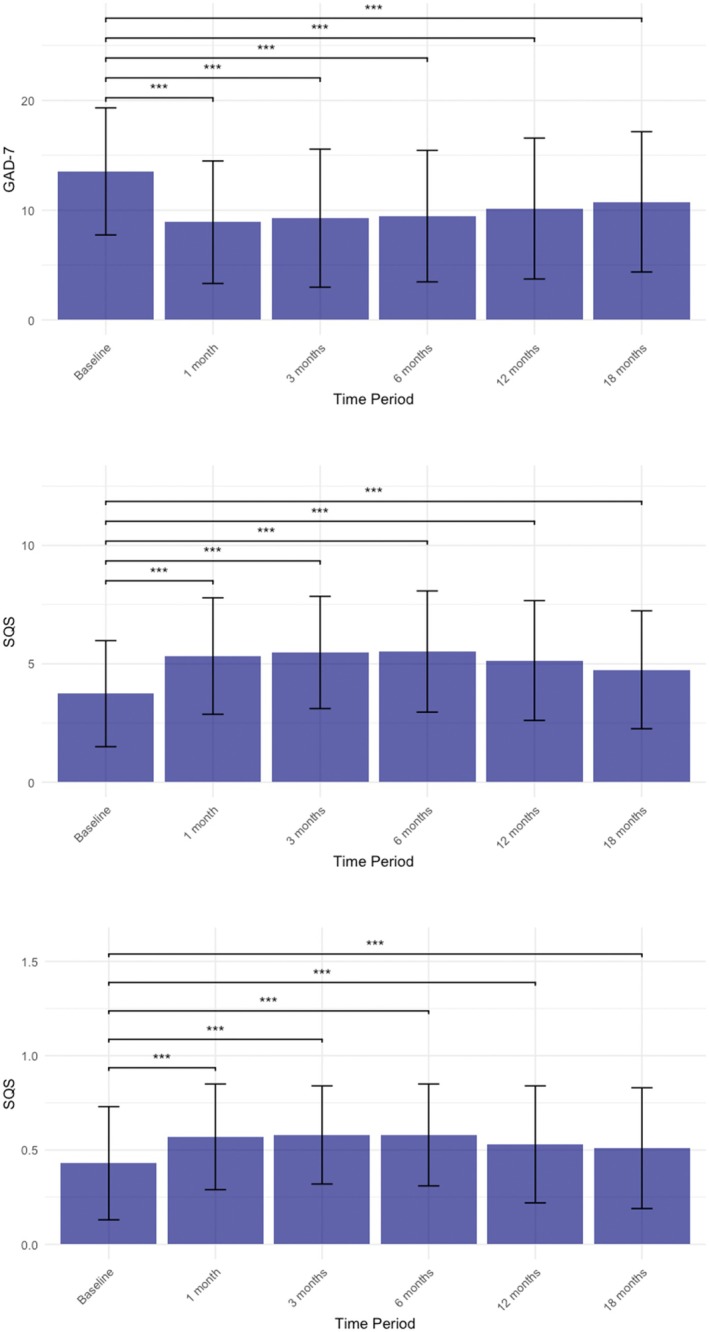
A repeated measures ANOVA was conducted to compare PROM scores across recorded time points (Table 4). Significant changes were demonstrated in PGIC (p = 0.013), EQ‐5D‐5L Selfcare (p = 0.008), and all other PROMs (p < 0.001), except for EQ‐5D‐5L Mobility. Consequently, post hoc pairwise comparisons were performed for PROMs that reported significant changes, with Bonferroni correction to account for multiple comparisons.
TABLE 4: Patient‐reported outcome measure scores at baseline and at 1, 3, 6, 12 and 18 months.
| PROM | Baseline | 1 month | 3 months | 6 months | 12 months | 18 months | p |
|---|---|---|---|---|---|---|---|
| GAD‐7 | 13.53 ± 5.79 | 8.90 ± 5.58 | 9.27 ± 6.29 | 9.46 ± 5.99 | 10.15 ± 6.42 | 10.76 ± 6.39 | < 0.001*** |
| SQS | 3.74 ± 2.24 | 5.33 ± 2.46 | 5.48 ± 2.37 | 5.52 ± 2.56 | 5.14 ± 2.53 | 4.75 ± 2.49 | < 0.001*** |
| EQ‐5D‐5L Mobility | 1.78 ± 1.04 | 1.69 ± 0.98 | 1.68 ± 0.93 | 1.68 ± 0.96 | 1.76 ± 0.99 | 1.72 ± 0.97 | 0.364 |
| EQ‐5D‐5L Selfcare | 2.22 ± 1.11 | 1.98 ± 1.14 | 2.05 ± 1.10 | 1.98 ± 1.10 | 2.07 ± 1.15 | 2.04 ± 1.20 | 0.008** |
| EQ‐5D‐5L | |||||||
| Usual activities | 2.78 ± 1.09 | 2.16 ± 1.08 | 2.35 ± 1.05 | 2.32 ± 1.09 | 2.38 ± 1.18 | 2.42 ± 1.14 | < 0.001*** |
| EQ‐5D‐5L Pain/ | |||||||
| discomfort | 2.44 ± 1.21 | 2.12 ± 1.07 | 2.02 ± 0.99 | 2.06 ± 0.99 | 2.30 ± 1.14 | 2.30 ± 1.17 | < 0.001*** |
| EQ‐5D‐5L Anxiety/ | |||||||
| depression | 3.44 ± 1.22 | 2.82 ± 1.13 | 2.75 ± 1.14 | 2.83 ± 1.14 | 2.86 ± 1.27 | 2.98 ± 1.28 | < 0.001*** |
| EQ‐5D‐5L | |||||||
| Index values | 0.43 ± 0.30 | 0.57 ± 0.28 | 0.58 ± 0.26 | 0.58 ± 0.27 | 0.53 ± 0.31 | 0.51 ± 0.32 | < 0.001*** |
| PGIC | 5.43 ± 1.49 | 5.69 ± 1.22 | 5.54 ± 1.43 | 5.80 ± 1.31 | 5.65 ± 1.32 | 0.013* |
Note: The included PROMs are GAD‐7 (Generalized Anxiety Disorder‐7), SQS (Sleep Quality Scale), EQ‐5D‐5L (European Quality of Life Five‐Dimension, Five‐Level) dimensions (Mobility, Self‐Care, Usual Activities, Pain/Discomfort, Anxiety/Depression, and Index Values), and PGIC (Patient Global Impression of Change). Values are mean ± standard deviation. p‐values are derived from repeated measures analysis of variance.
The outcomes of the post hoc pairwise comparisons are displayed in Appendix A, B, C, D, E, F, G. GAD‐7 (Figure 2a), SQS (Figure 2b), EQ‐5D‐5L Usual Activities and EQ‐5D‐5L Index Values (Figure 2c) scales all showed significant improvement from baseline to 1, 3, 6, 12, and 18 month follow‐up periods (p < 0.001). EQ‐5D‐5L Anxiety/Depression scores showed greatest improvement at 18 month follow‐up compared to baseline (p = 0.007).
Adverse Events
Twenty‐five participants (19.23%) reported 232 (178.46%) adverse events (Table 5). The most common adverse events were insomnia (n = 18; 13.85%), dry mouth (n = 16; 12.31%) and lethargy (n = 16; 12.31%). The majority of reported cases were considered mild (n = 88; 67.69%) and moderate (n = 99; 76.15%). There were 42 (32.31%) events which were considered severe, and 3 (2.31%) were life‐threatening/disabling.
TABLE 5: Incidence and severity of reported adverse events.
| Adverse event | Mild | Moderate | Severe | Life‐threatening/Disabling | Total (%) |
|---|---|---|---|---|---|
| Abdominal pain | 1 | 1 | 1 | 0 | 3 (2.31%) |
| Agitation | 0 | 0 | 1 | 0 | 1 (0.77%) |
| Allergic rhinitis | 0 | 1 | 0 | 0 | 1 (0.77%) |
| Amnesia | 2 | 3 | 1 | 0 | 6 (4.62%) |
| Anorexia | 1 | 4 | 4 | 0 | 9 (6.92%) |
| Anxiety | 0 | 0 | 0 | 1 | 1 (0.77%) |
| Ataxia | 3 | 1 | 1 | 0 | 5 (3.85%) |
| Blurred vision | 2 | 2 | 2 | 0 | 6 (4.62%) |
| Body odor | 0 | 1 | 0 | 0 | 1 (0.77%) |
| Cognitive disturbance | 1 | 2 | 2 | 0 | 5 (3.85%) |
| Concentration impairment | 8 | 5 | 1 | 0 | 14 (10.77%) |
| Confusion | 2 | 0 | 2 | 0 | 4 (3.08%) |
| Constipation | 1 | 1 | 0 | 0 | 2 (1.54%) |
| Dehydration | 1 | 0 | 0 | 0 | 1 (0.77%) |
| Delirium | 3 | 0 | 1 | 0 | 4 (3.08%) |
| Depression | 0 | 0 | 1 | 2 | 3 (2.31%) |
| Diarrhea | 0 | 1 | 0 | 0 | 1 (0.77%) |
| Dizziness | 2 | 2 | 2 | 0 | 6 (4.62%) |
| Dry mouth | 15 | 1 | 0 | 0 | 16 (12.31%) |
| Dysgeusia | 2 | 3 | 0 | 0 | 5 (3.85%) |
| Dyspepsia | 5 | 4 | 0 | 0 | 9 (6.92%) |
| Fall | 0 | 2 | 0 | 0 | 2 (1.54%) |
| Fasciculations | 0 | 1 | 0 | 0 | 1 (0.77%) |
| Fatigue | 6 | 3 | 4 | 0 | 13 (10.00%) |
| Fever | 0 | 1 | 0 | 0 | 1 (0.77%) |
| Generalized muscle weakness | 1 | 4 | 1 | 0 | 6 (4.62%) |
| Headache | 1 | 9 | 1 | 0 | 11 (8.46%) |
| Insomnia | 4 | 7 | 7 | 0 | 18 (13.85%) |
| Lethargy | 5 | 11 | 0 | 0 | 16 (12.31%) |
| Lung infection | 0 | 4 | 0 | 0 | 4 (3.08%) |
| Nausea | 5 | 2 | 0 | 0 | 7 (5.38%) |
| Paranoia | 0 | 0 | 1 | 0 | 1 (0.77%) |
| Pharyngitis | 0 | 4 | 0 | 0 | 4 (3.08%) |
| Non‐specific rash | 2 | 0 | 0 | 0 | 2 (1.54%) |
| Seizure | 0 | 1 | 2 | 0 | 3 (2.31%) |
| Somnolence | 0 | 10 | 1 | 0 | 11 (8.46%) |
| Spasticity | 2 | 3 | 1 | 0 | 6 (4.62%) |
| Stereotypies | 0 | 0 | 1 | 0 | 1 (0.77%) |
| Tics | 1 | 0 | 0 | 0 | 1 (0.77%) |
| Tremor | 5 | 0 | 2 | 0 | 7 (5.38%) |
| Varicocele | 0 | 0 | 1 | 0 | 1 (0.77%) |
| Vertigo | 1 | 2 | 1 | 0 | 4 (3.08%) |
| Vomiting | 2 | 0 | 0 | 0 | 2 (1.54%) |
| Weight loss | 4 | 3 | 0 | 0 | 7 (5.38%) |
| Total (%) | 88 (67.69%) | 99 (76.15%) | 42 (32.31%) | 3 (2.31%) | 232 (178.46%) |
Note: Counts represent the number of events at each severity grade (CTCAE v4.0). The “Total (%)” column is the number and percentage of adverse events represented as a proportion of the total cohort (n = 130) experiencing each adverse event at least once. Twenty‐five participants (19.23%) reported 232 (178.46%) adverse events.
Univariate and Multivariate Analysis
A univariate logistic regression analysis was performed to assess the association between variables and a participant’s likelihood of experiencing an adverse event at 18‐month follow up (Appendix H). These variables included gender, age, BMI, Charlson co‐morbidity index score, cannabis status, CBMP route of administration, and total THC and CBD dosages. No specific variable was associated with an increased odds of experiencing an adverse event (p > 0.050).
All variables were taken forward into a multivariate analysis (Appendix I). Again, this showed no relationship between the examined variables and an increased likelihood of experiencing an adverse event (p > 0.050).
Discussion
This case series explored the outcomes of autistic adults treated with CBMPs. The findings indicate that CBMPs were associated with improvements in anxiety, sleep quality, and health‐related quality of life. While a proportion (19.23%) of the cohort reported adverse events, the majority were mild or moderate. As an uncontrolled observational analysis, the study cannot establish causation; reported changes should be interpreted as temporal associations and not as evidence of a treatment effect.
The present findings align with previous research demonstrating the potential benefits of CBMPs in ASD. Systematic reviews by Silva et al. and Poli et al. have reported improvements in quality of life and reductions in ASD‐related symptoms, including sleep disturbances, hyperactivity, and distressed behaviors [ref. 38, ref. 66]. Consistent with these reviews, this study reported improvements in sleep quality, anxiety, and HRQoL. Furthermore, the results corroborate findings from a prior study by our group from the UKMCR, which showed positive outcomes in a cohort of 74 ASD patients treated with CBMPs for up to six months [ref. 46]. Notably, this current study extends our previous work by reporting outcomes over an 18‐month follow‐up period, providing longer‐term insights. Adding to the growing body of evidence, a recent retrospective analysis of 20 autistic individuals prescribed full‐spectrum CBMP extracts also reported improvements in HRQoL and core and comorbid symptoms. This reinforces the potential of CBMPs that are associated or can co‐occur with ASD [ref. 67].
Anxiety is prevalent in ASD, with studies indicating that nearly 40% of young individuals meet the criteria for at least one DSM‐IV classified anxiety disorder [ref. 68]. Consistent with this, the most prevalent comorbidity observed in the present study was also anxiety and/or depression. This heightened anxiety is thought to arise from a combination of sensory sensitivities and socio‐communication impairments, resulting in social anxiety [ref. 69]. The present study demonstrated a reduction in generalized anxiety symptoms among ASD patients, particularly from baseline (13.53 ± 5.79) to 1 month (8.90 ± 5.58). This aligns with evidence that cannabinoids, through their interaction with the endocannabinoid system, may have anxiolytic effects [ref. 70] and a study by Sethi et al. proposed that this mechanism may be mediated through the benzodiazepine binding site on central GABA receptors [ref. 71]. However, the magnitude of difference in GAD‐7 scores compared to baseline (13.53 ± 5.79) decreased from three (9.27 ± 6.29) to 18 months (10.76 ± 6.39). One potential explanation for this attenuated effect is the development of tolerance to the medication, specifically to the anxiolytic effects of THC, a major component of the CBMPs prescribed in the present study [ref. 72]. At 18 months, the median THC dose was 192.25 mg/day, highlighting the potential for tolerance. This suggests that sustained or complementary therapeutic strategies may be necessary to maintain long‐term benefits. Furthermore, the use of the BOCF method to handle missing data might have biased the results towards a null finding. Whilst this provides the most conservative measure of effect of CBMPs, this will have a greater effect on later outcomes which are the most subject to participant attrition. These findings are also consistent with a previous UKMCR study focussing on CBMP therapy for anxiety [ref. 73]. This underscores the complex relationship between ASD and anxiety and suggests a cautious but promising role for CBMPs in managing anxiety symptoms in this population.
Sleep disturbances are a significant concern for autistic individuals, often exacerbating other symptoms and diminishing overall quality of life. It is estimated that 60% of autistic adults experience poor sleep quality, particularly insomnia, that impacts their quality of life [ref. 74]. In the current study, CBMP initiation was associated with improvements in sleep quality, as evidenced by an increase in SQS scores from baseline (3.74 ± 2.24) to 1 month (5.33 ± 2.46), with sustained improvements observed at three and 6 months. These findings are consistent with previous research that has shown positive effects associated with CBMPs on sleep in autistic individuals [ref. 75, ref. 76, ref. 77]. This aligns with the understanding that the endocannabinoid system plays a crucial role in regulating the sleep–wake cycle [ref. 78]. However, similar to anxiety, the study observed a decline in these improvements at 12 and 18 months. Furthermore, insomnia was the most commonly reported adverse event, a finding corroborated by Aran et al. [ref. 44]. This suggests that while CBMPs can positively impact sleep for some autistic individuals, there may be variability in response between individuals.
The median daily THC dose increased nearly tenfold across the follow‐up period, from 20.00 [1.00–21.00] mg/day at baseline to 192.25 [99.45–260.00] mg/day at 18 months. Several factors are likely to have contributed. First, the cohort was predominantly prescribed inhaled dried flower (46.92% at baseline; 50.77% at 18 months), which has substantially lower systemic bioavailability than ingested oils, such that absolute milligram doses are not directly comparable with oral preparations. Second, doses were titrated by specialist clinicians under multidisciplinary review and in line with UK guidance, with the aim of identifying the lowest effective dose for individual patients. Third, the parallel attenuation of GAD‐7 and SQS scores between three and 18 months is consistent with the development of pharmacological tolerance to the anxiolytic and sedative effects of THC, which has been described in both preclinical and clinical settings. The implication for clinical practice is that prescribers should anticipate dose escalation when initiating dried‐flower CBMPs and counsel patients regarding the risks associated with high chronic THC exposure, including dependence, cognitive effects, and cardiometabolic outcomes. Future prospective studies should pre‐specify maximum dose ceilings, incorporate validated measures of tolerance and dependence, and report bioavailability‐adjusted exposure metrics to facilitate cross‐study comparison.
There was a total adverse events incidence of 178.46%, reported by 19.23% of participants. This finding aligns with a previous UKMCR study evaluating the use of CBMPs for ASD [ref. 46]. This reported incidence is higher than in other observational series from other settings [ref. 79, ref. 80]. This discrepancy is likely attributable to the rigorous methodology employed by the UKMCR, where patients are systematically encouraged to report adverse events at regular intervals (1, 3, 6, 12, and 18 months) and during clinical visits, ensuring comprehensive capture of adverse events. The most frequently reported adverse event was insomnia (n = 18; 13.85%). However, relying on self‐reports may have posed challenges, as autistic individuals often experience chronic sleep difficulties, making it difficult to distinguish between treatment‐related effects and underlying symptoms. Similarly, the life‐threatening or disabling adverse events reported, including anxiety and depression, are prevalent comorbidities in ASD, further complicating the differentiation between treatment‐related side effects and symptoms of the condition itself. In general, short‐term CBMP use has demonstrated a good safety profile in other studies [ref. 81]. In the present study, 80.77% of patients did not report any adverse events, and the majority of adverse events were mild‐to‐moderate, further supporting this finding. However, the risks associated with long‐term CBMP use remain poorly understood, highlighting the need for higher‐quality trials to assess the safety of prolonged exposure to CBMPs.
This study has several limitations. Primarily, this is an observational case series, which prevents the establishment of any cause‐and‐effect relationships. The absence of a control or placebo group further hinders the ability to definitively attribute observed changes to CBMP treatment, thus reducing the study’s internal validity. The specific CBMPs prescribed throughout the study varied and were prescribed according to clinical judgment. This meant, even within the cohort, a range of different products and doses of each major cannabinoid were used. Whilst this provides additional external validity, it hinders the ability to draw direct insights into which doses of THC and CBD are appropriate for autistic patients. Furthermore, the present study relied on general health‐related measures rather than autism‐specific assessments. Incorporating tools like the Autism Spectrum Quality of Life form, or the World Health Organization Quality of Life‐BREF with autism‐specific items would have provided a more nuanced understanding of the impact of CBMPs on this population [ref. 82, ref. 83]. The cohort was recruited from a single private specialist clinic, which is likely to over‐represent individuals with the financial means and health literacy to access self‐funded therapy and to under‐represent those from minoritised or socioeconomically deprived groups; this restricts the external validity of the findings to comparable healthcare contexts. However, it is noteworthy that a significant proportion of participants in the study were unemployed (48.46%), possibly due to the challenges posed by ASD. This suggests that unemployment did not necessarily preclude access to treatment. Demographically, the majority of participants were male (67.69%), which aligns with the higher prevalence of ASD in males [ref. 84, ref. 85]. A further important consideration is pre‐treatment cannabis exposure. Most (86.15%) of the cohort were current or former users of non‐prescribed cannabis at enrolment. Prior cannabis exposure may bias the cohort towards individuals who have previously experienced symptomatic benefit from cannabis and who therefore self‐select for treatment, potentially inflating apparent improvement [ref. 86]. Conversely, chronic prior use may attenuate response through pharmacological tolerance to THC and through carry‐over effects on baseline severity. As a result, the findings of this study may have limited generalisability to the broader population and an adequately powered comparison between cannabis naïve individuals and previous cannabis consumers is required before any clinical recommendations can be made. While this study has a follow‐up period of 18 months among those exploring CBMPs for ASD in adults, additional research with extended follow‐up periods is needed to fully assess the long‐term effects of CBMP treatment, including safety, dosing, and the potential development of tolerance.
Conclusion
This observational study suggests that CBMP initiation in autistic adults is associated with improvements in HRQoL, anxiety, and sleep quality over 18 months. There was a favorable safety profile, with 80.77% of patients not reporting any adverse events. As the study lacked a control group, randomization, and blinding, the findings should be interpreted as associations only. To strengthen these findings and address the existing knowledge gaps, larger observational studies and RCTs are essential. Nevertheless, this study provides valuable insights that can inform future RCTs and contribute to the development of evidence‐based clinical guidelines for CBMP use in ASD.
Funding
The authors have nothing to report.
Ethics Statement
Formal ethical approval for the UK Medical Cannabis Registry has been provided by the Health Research Authority (South West—Central Bristol Research Ethics Committee reference 22/SW/0145).
Consent
All patients provided informed consent prior to enrolment in the UK Medical Cannabis Registry. All study participants gave formal, informed, and written consent, preceding their consecutive enrollment into the database.
Conflicts of Interest
The authors declare no conflicts of interest.
| GAD‐7 | Baseline | 1 month | 3 months | 6 months | 12 months | 18 months |
|---|---|---|---|---|---|---|
| Baseline | 4.63 ± 0.49; p < 0.001*** | 4.26 ± 0.52; p < 0.001*** | 4.07 ± 0.55; p < 0.001*** | 3.38 ± 0.50; p < 0.001*** | 2.77 ± 0.48; p < 0.001*** | |
| 1 month | −4.63 ± 0.49; p < 0.001*** | −0.37 ± 0.44; p = 1.000 | −0.56 ± 0.48; p = 1.000 | −1.25 ± 0.53; p = 0.282 | −1.86 ± 0.56; p = 0.018* | |
| 3 months | −4.26 ± 0.52; p < 0.001*** | 0.37 ± 0.44; p = 1.000 | −0.19 ± 0.36; p = 1.000 | −0.89 ± 0.42; p = 0.525 | −1.49 ± 0.47; p = 0.031* | |
| 6 months | −4.07 ± 0.55; p < 0.001*** | 0.56 ± 0.48; p = 1.000 | 0.19 ± 0.36; p = 1.000 | −0.69 ± 0.46; p = 1.000 | −1.30 ± 0.52; p = 0.206 | |
| 12 months | −3.38 ± 0.50; p < 0.001*** | 1.25 ± 0.53; p = 0.282 | 0.89 ± 0.42; p = 0.525 | 0.69 ± 0.46; p = 1.000 | −0.61 ± 0.30; p = 0.639 | |
| 18 months | −2.77 ± 0.48; p < 0.001*** | 1.86 ± 0.56; p = 0.018* | 1.49 ± 0.47; p = 0.031* | 1.30 ± 0.52; p = 0.206 | 0.61 ± 0.30; p = 0.639 |
| SQS | Baseline | 1 month | 3 months | 6 months | 12 months | 18 months |
|---|---|---|---|---|---|---|
| Baseline | −1.59 ± 0.22; p < 0.001*** | −1.75 ± 0.22; p < 0.001*** | −1.79 ± 0.24; p < 0.001*** | −1.40 ± 0.21; p < 0.001*** | −1.02 ± 0.20; p < 0.001*** | |
| 1 month | 1.59 ± 0.22; p < 0.001*** | −0.15 ± 0.18; p = 1.000 | −0.19 ± 0.22; p = 1.000 | 0.19 ± 0.25; p = 1.000 | 0.58 ± 0.25; p = 0.354 | |
| 3 months | 1.75 ± 0.22; p < 0.001*** | 0.15 ± 0.18; p = 1.000 | −0.04 ± 0.17; p = 1.000 | 0.35 ± 0.24; p = 1.000 | 0.73 ± 0.22; p = 0.020* | |
| 6 months | 1.79 ± 0.24; p < 0.001*** | 0.19 ± 0.22; p = 1.000 | 0.04 ± 0.17; p = 1.000 | 0.39 ± 0.22; p = 1.000 | 0.77 ± 0.22; p = 0.009** | |
| 12 months | 1.40 ± 0.21; p < 0.001*** | −0.19 ± 0.25; p = 1.000 | −0.35 ± 0.24; p = 1.000 | −0.39 ± 0.22; p = 1.000 | 0.39 ± 0.17; p = 0.350 | |
| 18 months | 1.02 ± 0.20; p < 0.001*** | −0.58 ± 0.25; p = 0.354 | −0.73 ± 0.22; p = 0.020* | −0.77 ± 0.22; p = 0.009** | −0.39 ± 0.17; p = 0.350 |
| EQ‐5D‐5L Self care | Baseline | 1 month | 3 months | 6 months | 12 months | 18 months |
|---|---|---|---|---|---|---|
| Baseline | 0.23 ± 0.06; p = 0.007** | 0.16 ± 0.06; p = 0.164 | 0.24 ± 0.06; p = 0.001** | 0.15 ± 0.06; p = 0.353 | 0.18 ± 0.06; p = 0.051* | |
| 1 month | −0.23 ± 0.06; p = 0.007** | −0.07 ± 0.07; p = 1.000 | 0.01 ± 0.07; p = 1.000 | −0.09 ± 0.07; p = 1.000 | −0.05 ± 0.08; p = 1.000 | |
| 3 months | −0.16 ± 0.06; p = 0.164 | 0.07 ± 0.07; p = 1.000 | 0.08 ± 0.06; p = 1.000 | −0.02 ± 0.07; p = 1.000 | 0.02 ± 0.07; p = 1.000 | |
| 6 months | −0.24 ± 0.06; p = 0.001** | −0.01 ± 0.07; p = 1.000 | −0.08 ± 0.06; p = 1.000 | −0.09 ± 0.07; p = 1.000 | −0.06 ± 0.07; p = 1.000 | |
| 12 months | −0.15 ± 0.06; p = 0.353 | 0.09 ± 0.07; p = 1.000 | 0.02 ± 0.07; p = 1.000 | 0.09 ± 0.07; p = 1.000 | 0.03 ± 0.05; p = 1.000 | |
| 18 months | −0.18 ± 0.06; p = 0.051* | 0.05 ± 0.08; p = 1.000 | −0.02 ± 0.07; p = 1.000 | 0.06 ± 0.07; p = 1.000 | −0.03 ± 0.05; p = 1.000 |
| EQ‐5D‐5L Usual activities | Baseline | 1 month | 3 months | 6 months | 12 months | 18 months |
|---|---|---|---|---|---|---|
| Baseline | 0.62 ± 0.10; p < 0.001*** | 0.43 ± 0.09; p < 0.001*** | 0.45 ± 0.08; p < 0.001*** | 0.39 ± 0.08; p < 0.001*** | 0.35 ± 0.08; p < 0.001*** | |
| 1 month | −0.62 ± 0.10; p < 0.001*** | −0.19 ± 0.09; p = 0.565 | −0.16 ± 0.09; p = 0.932 | −0.22 ± 0.10; p = 0.351 | −0.26 ± 0.10; p = 0.189 | |
| 3 months | −0.43 ± 0.09; p < 0.001*** | 0.19 ± 0.09; p = 0.565 | 0.02 ± 0.07; p = 1.000 | −0.04 ± 0.07; p = 1.000 | −0.08 ± 0.09; p = 1.000 | |
| 6 months | −0.45 ± 0.08; p < 0.001*** | 0.16 ± 0.09; p = 0.932 | −0.02 ± 0.07; p = 1.000 | −0.06 ± 0.08; p = 1.000 | −0.10 ± 0.08; p = 1.000 | |
| 12 months | −0.39 ± 0.08; p < 0.001*** | 0.22 ± 0.10; p = 0.351 | 0.04 ± 0.07; p = 1.000 | 0.06 ± 0.08; p = 1.000 | −0.04 ± 0.06; p = 1.000 | |
| 18 months | −0.35 ± 0.08; p < 0.001*** | 0.26 ± 0.10; p = 0.189 | 0.08 ± 0.09; p = 1.000 | 0.10 ± 0.08; p = 1.000 | 0.04 ± 0.06; p = 1.000 |
| EQ‐5D‐5L Pain/discomfort | Baseline | 1 month | 3 months | 6 months | 12 months | 18 months |
|---|---|---|---|---|---|---|
| Baseline | 0.32 ± 0.09; p = 0.005** | 0.42 ± 0.08; p < 0.001*** | 0.38 ± 0.09; p < 0.001*** | 0.14 ± 0.08; p = 1.000 | 0.14 ± 0.08; p = 1.000 | |
| 1 month | −0.32 ± 0.09; p = 0.005** | 0.09 ± 0.07; p = 1.000 | 0.05 ± 0.09; p = 1.000 | −0.19 ± 0.09; p = 0.543 | −0.19 ± 0.10; p = 0.815 | |
| 3 months | −0.42 ± 0.08; p < 0.001*** | −0.09 ± 0.07; p = 1.000 | −0.04 ± 0.07; p = 1.000 | −0.28 ± 0.08; p = 0.009** | −0.28 ± 0.09; p = 0.020* | |
| 6 months | −0.38 ± 0.09; p < 0.001*** | −0.05 ± 0.09; p = 1.000 | 0.04 ± 0.07; p = 1.000 | −0.24 ± 0.07; p = 0.019* | −0.24 ± 0.08; p = 0.048* | |
| 12 months | −0.14 ± 0.08; p = 1.000 | 0.19 ± 0.09; p = 0.543 | 0.28 ± 0.08; p = 0.009** | 0.24 ± 0.07; p = 0.019 | 0.00 ± 0.06; p = 1.000 | |
| 18 months | −0.14 ± 0.08; p = 1.000 | 0.19 ± 0.10; p = 0.815 | 0.28 ± 0.09; p = 0.020* | 0.24 ± 0.08; p = 0.048* | 0.00 ± 0.06; p = 1.000 |
| EQ‐5D‐5L Anxiety/depression | Baseline | 1 month | 3 months | 6 months | 12 months | 18 months |
|---|---|---|---|---|---|---|
| Baseline | 0.62 ± 0.10; p < 0.001*** | 0.69 ± 0.10; p < 0.001*** | 0.61 ± 0.10; p < 0.001*** | 0.58 ± 0.09; p < 0.001*** | 0.45 ± 0.09; p = 0.007** | |
| 1 month | −0.62 ± 0.10; p < 0.001*** | 0.06 ± 0.09; p = 1.000 | −0.02 ± 0.10; p = 1.000 | −0.05 ± 0.10; p = 1.000 | −0.17 ± 0.11; p = 1.000 | |
| 3 months | −0.69 ± 0.10; p < 0.001*** | −0.06 ± 0.09; p = 1.000 | −0.08 ± 0.07; p = 1.000 | −0.11 ± 0.09; p = 1.000 | −0.23 ± 0.10; p = 0.422 | |
| 6 months | −0.61 ± 0.10; p < 0.001*** | 0.02 ± 0.10; p = 1.000 | 0.08 ± 0.07; p = 1.000 | −0.03 ± 0.10; p = 1.000 | −0.15 ± 0.11; p = 1.000 | |
| 12 months | −0.58 ± 0.09; p < 0.001*** | 0.05 ± 0.10; p = 1.000 | 0.11 ± 0.09; p = 1.000 | 0.03 ± 0.10; p = 1.000 | −0.12 ± 0.07; p = 1.000 | |
| 18 months | −0.45 ± 0.09; p < 0.001*** | 0.17 ± 0.11; p = 1.000 | 0.23 ± 0.10; p = 0.422 | 0.15 ± 0.11; p = 1.000 | 0.12 ± 0.07; p = 1.000 |
| EQ‐5D‐5L Index values | Baseline | 1 month | 3 months | 6 months | 12 months | 18 months |
|---|---|---|---|---|---|---|
| Baseline | −0.14 ± 0.02; p < 0.001*** | −0.16 ± 0.02; p < 0.001*** | −0.15 ± 0.02; p < 0.001*** | −0.10 ± 0.02; p < 0.001*** | −0.09 ± 0.02; p < 0.001*** | |
| 1 month | 0.14 ± 0.02; p < 0.001*** | −0.01 ± 0.02; p = 1.000 | −0.01 ± 0.02; p = 1.000 | 0.04 ± 0.02; p = 1.000 | 0.06 ± 0.03; p = 0.447 | |
| 3 months | 0.16 ± 0.02; p < 0.001*** | 0.01 ± 0.02; p = 1.000 | 0.01 ± 0.01; p = 1.000 | 0.05 ± 0.02; p = 0.113 | 0.07 ± 0.02; p = 0.041* | |
| 6 months | 0.15 ± 0.02; p < 0.001*** | 0.01 ± 0.02; p = 1.000 | −0.01 ± 0.02; p = 1.000 | 0.05 ± 0.02; p = 0.310 | 0.06 ± 0.02; p = 0.076* | |
| 12 months | 0.10 ± 0.02; p < 0.001*** | −0.04 ± 0.02; p = 1.000 | −0.05 ± 0.02; p = 0.113 | −0.05 ± 0.02; p = 0.310 | 0.02 ± 0.02; p = 1.000 | |
| 18 months | 0.09 ± 0.02; p < 0.001*** | −0.06 ± 0.03; p = 0.447 | −0.07 ± 0.02; p = 0.041* | −0.06 ± 0.02; p = 0.076* | −0.02 ± 0.02; p = 1.000 |
| Variable | n | Odds ratio (95% CI) | p |
|---|---|---|---|
| Gender | |||
| Female | 42 | — | |
| Male | 88 | 0.815 (0.326–2.034) | 0.661 |
| Age (years) | |||
| < 30 | 45 | — | |
| 30–39 | 48 | 1.333 (0.500–3.553) | 0.565 |
| ≥ 40 | 37 | 0.485 (0.136–1.725) | 0.264 |
| Body mass index (kg/m2) | |||
| < 18.5 | 13 | — | |
| 18.5–24.9 | 49 | 1.073 (0.199–5.795) | 0.935 |
| 25–29.9 | 32 | 2.152 (0.396–11.690) | 0.375 |
| 30–34.9 | 16 | 1.269 (0.179–9.021) | 0.812 |
| ≥ 35 | 16 | 0.786 (0.095–6.501) | 0.823 |
| Charlson co‐morbidity index | |||
| None (0) | 103 | — | |
| Mild/moderate (1–4) | 12 | 2.361 (0.641–8.694) | 0.196 |
| Severe (≥ 5) | 15 | 1.181 (0.302–4.616) | 0.811 |
| Cannabis status | |||
| Never used | 18 | — | |
| Current user | 90 | 0.368 (0.119–1.145) | 0.084 |
| Ex‐user | 22 | 0.588 (0.145–2.381) | 0.457 |
| CBMP route of administration | |||
| Oil/sublingual formulations only | 22 | — | |
| Vapourised flower only | 66 | 0.915 (0.287–2.916) | 0.881 |
| Both | 40 | 0.600 (0.160–2.250) | 0.449 |
| Total CBD dosage | |||
| ≤ median dose (26.25 mg/day) | 65 | — | |
| > median dose (26.25 mg/day) | 65 | 1.650 (0.680–4.006) | 0.269 |
| Total THC dosage | |||
| ≤ median dose (192.25 mg/day) | 65 | — | |
| > median dose (192.25 mg/day) | 65 | 0.906 (0.378–2.168) | 0.824 |
| Variable | n | Odds ratio (95% CI) | p |
|---|---|---|---|
| Gender | |||
| Female | 41 | — | |
| Male | 83 | 0.836 (0.297–2.351) | 0.734 |
| Age (years) | |||
| < 30 | 41 | — | |
| 30–39 | 48 | 1.758 (0.446–6.925) | 0.420 |
| ≥ 40 | 35 | 0.191 (0.017–2.131) | 0.179 |
| Body mass index (kg/m2) | |||
| < 18.5 | 13 | — | |
| 18.5–24.9 | 49 | 1.029 (0.160–6.631) | 0.976 |
| 25–29.9 | 30 | 2.708 (0.409–17.925) | 0.301 |
| 30–34.9 | 16 | 1.144 (0.138–9.521) | 0.901 |
| ≥ 35 | 16 | 0.633 (0.063–6.397) | 0.698 |
| Charlson co‐morbidity index | |||
| None (0) | 97 | — | |
| Mild/moderate (1–4) | 12 | 2.418 (0.507–11.526) | 0.268 |
| Severe (≥ 5) | 15 | 5.898 (0.499–69.714) | 0.159 |
| Cannabis status | |||
| Never used | 15 | — | |
| Current user | 88 | 0.265 (0.043–1.647) | 0.154 |
| Ex‐user | 21 | 0.542 (0.079–3.704) | 0.532 |
| CBMP route of administration | |||
| Oil/sublingual formulations only | 21 | — | |
| Vapourised flower only | 64 | 1.745 (0.312–9.773) | 0.526 |
| Both | 39 | 1.428 (0.234–8.707) | 0.700 |
| Total CBD dosage | |||
| ≤ median dose (26.25 mg/day) | 60 | — | |
| > median dose (26.25 mg/day) | 64 | 1.665 (0.579–4.791) | 0.345 |
| Total THC dosage | |||
| ≤ median dose (192.25 mg/day) | 60 | — | |
| > median dose (192.25 mg/day) | 64 | 0.988 (0.294–3.314) | 0.984 |
References
- 1 American Psychiatric Association , Diagnostic and Statistical Manual of Mental Disorders (DSM‐5), 5th ed. (American Psychiatric Publishing, 2013).
- The Global Prevalence of Autism Spectrum Disorder: A Comprehensive Systematic Review and Meta‐Analysis,”. Italian Journal of Pediatrics, 2022. [DOI | PubMed]
- Prevalence, Structure and Correlates of Anxiety‐Depression in Boys With an Autism Spectrum Disorder,”. Research in Developmental Disabilities, 2016. [DOI | PubMed]
- Aggression in Children and Adolescents With ASD: Prevalence and Risk Factors,”. Journal of Autism and Developmental Disorders, 2011. [DOI | PubMed]
- Longitudinal Examination of the Behavioral, Language, and Social Changes in a Population of Adolescents and Young Adults With Autistic Disorder,”. Pediatric Neurology, 1996. [DOI | PubMed]
- Sleep in Autism: A Biomolecular Approach to Aetiology and Treatment,”. Sleep Medicine Reviews, 2020. [DOI | PubMed]
- Burden of Care and Quality of Life in Caregivers of Children and Adolescents With Autism Spectrum Disorder,”. Asian Journal of Psychiatry, 2022. [DOI | PubMed]
- Factors Affecting Quality of Life of Caregivers of Children Diagnosed With Autism Spectrum Disorder,”. Indian Journal of Psychiatry, 2018. [DOI | PubMed]
- Comprehensive Management of Autism: Current Evidence,”. Indian Journal of Psychological Medicine, 2017. [DOI | PubMed]
- Speech Therapy for Children With Dysarthria Acquired Before Three Years of Age,”. Cochrane Database of Systematic Reviews, 2009. [DOI]
- Autism Spectrum Disorder,”. Nature Reviews. Disease Primers, 2020. [DOI]
- Risperidone and Aripiprazole for Autism Spectrum Disorder in Children: An Overview of Systematic Reviews,”. BMJ Evidence‐Based Medicine, 2023. [DOI]
- A Systematic Review of Medical Treatments for Children With Autism Spectrum Disorders,”. Pediatrics, 2011. [DOI]
- Metabolic Side Effects of Atypical Antipsychotics in Children: A Literature Review,”. Journal of Psychopharmacology (Oxford, England), 2005. [DOI | PubMed]
- Review of Pharmacogenomics of Psychiatric Comorbidities in Autism Spectrum Disorder,”. Pharmacogenomics, 2023. [DOI | PubMed]
- The Potential for Medicinal Cannabis to Help Manage Challenging Behaviour in People With Intellectual Disability: A Perspective Review,”. Journal of Psychopharmacology, 2023. [DOI | PubMed]
- Endocannabinoid System: Chemical Characteristics and Biological Activity,”. Pharmaceuticals (Basel, Switzerland), 2023. [DOI | PubMed]
- 18 K. Mackie , “Distribution of Cannabinoid Receptors in the Central and Peripheral Nervous System,” in Handbook of Experimental Pharmacology, vol. 168 (Springer‐Verlag, 2005), 299–325.
- Involvement of Cannabinoid Receptors in the Regulation of Neurotransmitter Release in the Rodent Striatum: A Combined Immunochemical and Pharmacological Analysis,”. Journal of Neuroscience: The Official Journal of the Society for Neuroscience, 2005. [DOI | PubMed]
- Brain Activity of Anandamide: A Rewarding Bliss?,”. Acta Pharmacologica Sinica, 2019. [DOI | PubMed]
- Lower Circulating Endocannabinoid Levels in Children With Autism Spectrum Disorder,”. Molecular Autism, 2019. [DOI | PubMed]
- Plasma Anandamide Concentrations Are Lower in Children With Autism Spectrum Disorder,”. Molecular Autism, 2018. [DOI | PubMed]
- Alterations of the Endocannabinoid System and Its Therapeutic Potential in Autism Spectrum Disorder,”. Open Biology, 2021. [DOI | PubMed]
- Anandamide Enhances Extracellular Levels of Adenosine and Induces Sleep: An In Vivo Microdialysis Study,”. Sleep, 2003. [DOI | PubMed]
- Communication and Social Interaction in the Cannabinoid‐Type 1 Receptor Null Mouse: Implications for Autism Spectrum Disorder,”. Autism Research: Official Journal of the International Society for Autism Research, 2021. [DOI | PubMed]
- CB1 Receptor‐Deficient Mice as a Model for Depression,”. Neuroscience, 2012. [DOI | PubMed]
- Lack of CB1 Receptor Activity Impairs Serotonergic Negative Feedback,”. Journal of Neurochemistry, 2009. [DOI | PubMed]
- A Brief Background on Cannabis: From Plant to Medical Indications,”. Journal of AOAC International, 2019. [DOI | PubMed]
- Cannabidiol Is a Negative Allosteric Modulator of the Cannabinoid CB1 Receptor,”. British Journal of Pharmacology, 2015. [DOI | PubMed]
- Cannabidiol Enhances Anandamide Signaling and Alleviates Psychotic Symptoms of Schizophrenia,”. Translational Psychiatry, 2012. [DOI | PubMed]
- A Personal Retrospective: Elevating Anandamide (AEA) by Targeting Fatty Acid Amide Hydrolase (FAAH) and the Fatty Acid Binding Proteins (FABPs),”. Frontiers in Pharmacology, 2016. [DOI | PubMed]
- Agonistic Properties of Cannabidiol at 5‐HT1a Receptors,”. Neurochemical Research, 2005. [DOI | PubMed]
- Δ(9)‐Tetrahydrocannabinol Acts as a Partial Agonist/Antagonist in Mice,”. Behavioural Pharmacology, 2012. [DOI | PubMed]
- Clinical Efficacy and Safety of Cannabidiol for Pediatric Refractory Epilepsy Indications: A Systematic Review and Meta‐Analysis,”. Experimental Neurology, 2023. [DOI]
- Medical Cannabis or Cannabinoids for Chronic Non‐Cancer and Cancer Related Pain: A Systematic Review and Meta‐Analysis of Randomised Clinical Trials,”. BMJ, 2021. [DOI | PubMed]
- Cannabinoids for the Treatment of Mental Disorders and Symptoms of Mental Disorders: A Systematic Review and Meta‐Analysis,”. Lancet.Psychiatry, 2019. [DOI | PubMed]
- Cannabinoids, Insomnia, and Other Sleep Disorders,”. Chest, 2022. [DOI | PubMed]
- Cannabis and Cannabinoid Use in Autism Spectrum Disorder: A Systematic Review,”. Trends in Psychiatry and Psychotherapy, 2022. [DOI | PubMed]
- Medical Cannabis in Autism Spectrum Disorder: A Specialist Perspective,”. British Journal of Neuroscience Nursing, 2022. [DOI]
- Effects of Cannabidiol on Brain Excitation and Inhibition Systems; a Randomised Placebo‐Controlled Single Dose Trial During Magnetic Resonance Spectroscopy in Adults With and Without Autism Spectrum Disorder,”. Neuropsychopharmacology, 2019. [DOI | PubMed]
- The Effect of Cannabidiol (CBD) on Low‐Frequency Activity and Functional Connectivity in the Brain of Adults With and Without Autism Spectrum Disorder (ASD),”. Journal of Psychopharmacology, 2019. [DOI | PubMed]
- A Pilot Randomised Placebo‐Controlled Trial of Cannabidiol to Reduce Severe Behavioural Problems in Children and Adolescents With Intellectual Disability,”. British Journal of Clinical Pharmacology, 2021. [DOI | PubMed]
- Oral Cannabidiol Use in Children With Autism Spectrum Disorder to Treat Related Symptoms and co‐Morbidities,”. Frontiers in Pharmacology, 2019. [DOI | PubMed]
- Brief Report: Cannabidiol‐Rich Cannabis in Children With Autism Spectrum Disorder and Severe Behavioral Problems—A Retrospective Feasibility Study,”. Journal of Autism and Developmental Disorders, 2019. [DOI | PubMed]
- Real Life Experience of Medical Cannabis Treatment in Autism: Analysis of Safety and Efficacy,”. Scientific Reports, 2019. [DOI | PubMed]
- Clinical Outcome Analysis of Patients With Autism Spectrum Disorder: Analysis From the UK Medical Cannabis Registry,”. Therapeutic Advances in Psychopharmacology, 2022. [DOI | PubMed]
- “Trial to Investigate the Safety and Efficacy of Cannabidiol Oral Solution (GWP42003‐P; CBD‐OS) in Children and Adolescents With Autism Spectrum Disorder,” (. 2003
- “CAnnabidiol Study in Children With Autism Spectrum DisordEr (CASCADE),” (. 2025
- UK Medical Cannabis Registry: A Patient Evaluation,”. Journal of Pain & Palliative Care Pharmacotherapy, 2023. [DOI | PubMed]
- Charlson Comorbidities Index,”. Journal of Physiotherapy, 2016. [DOI | PubMed]
- The Charlson Comorbidity Index in Registry‐Based Research,”. Methods of Information in Medicine, 2017. [DOI | PubMed]
- Gram Years: A Method to Standardize and Quantify Lifetime Cannabis Consumption,”. Cannabis and Cannabinoid Research, 2016. [DOI | PubMed]
- A Brief Measure for Assessing Generalized Anxiety Disorder: The GAD‐7,”. Archives of Internal Medicine, 2006. [DOI | PubMed]
- Sensitivity to Change and Minimal Clinically Important Difference of the 7‐Item Generalized Anxiety Disorder Questionnaire (GAD‐7),”. Journal of Affective Disorders, 2020. [DOI | PubMed]
- A New Single‐Item Sleep Quality Scale: Results of Psychometric Evaluation in Patients With Chronic Primary Insomnia and Depression,”. Journal of Clinical Sleep Medicine: JCSM: Official Publication of the American Academy of Sleep Medicine, 2018. [DOI | PubMed]
- “EQ‐5D‐5L,” (. 2025
- 57 N. Devlin , S. Pickard , and J. Busschbach , “Value Sets for EQ‐5D‐5L: A Compendium,” in Comparative Review & User Guide (Springer International Publishing, 2022).
- Combining EQ‐5D‐5L Items Into a Level Summary Score: Demonstrating Feasibility Using Non‐Parametric Item Response Theory Using an International Dataset,”. Quality of Life Research: an International Journal of Quality of Life Aspects of Treatment, Care and Rehabilitation, 2022. [DOI | PubMed]
- Interim Scoring for the EQ‐5D‐5L: Mapping the EQ‐5D‐5L to EQ‐5D‐3L Value Sets,”. Value in Health: The Journal of the International Society for Pharmacoeconomics and Outcomes Research, 2012. [DOI | PubMed]
- Patient Global Impression of Change Scores Within the Context of a Chronic Pain Rehabilitation Program,”. Journal of Pain, 2009. [DOI]
- Assessing the Clinical Significance of Change Scores Recorded on Subjective Outcome Measures,”. Journal of Manipulative and Physiological Therapeutics, 2004. [DOI | PubMed]
- 62 U.S. Department of Health and Human Services , Common Terminology Criteria for Adverse Events (CTCAE) Version 4.0 (U.S. Department of Health and Human Services, 2010), https://www.eortc.be/services/doc/ctc/ctcae_4.03_2010‐06‐14_quickreference_5x7.pdf.
- Understanding One‐Way ANOVA Using Conceptual Figures,”. Korean Journal of Anesthesiology, 2017. [DOI | PubMed]
- Statistical Conclusion Validity. Multiple Inferences in Rehabilitation Research,”. American Journal of Physical Medicine & Rehabilitation, 1991. [PubMed]
- Central Limit Theorem: The Cornerstone of Modern Statistics,”. Korean Journal of Anesthesiology, 2017. [DOI | PubMed]
- Cannabinoids for People With ASD: A Systematic Review of Published and Ongoing Studies,”. Brain Sciences, 2020. [DOI | PubMed]
- Individually Tailored Dosage Regimen of Full‐Spectrum Cannabis Extracts for Autistic Core and Comorbid Symptoms: A Real‐Life Report of Multi‐Symptomatic Benefits,”. Frontiers in Psychiatry, 2023. [DOI | PubMed]
- Anxiety Disorders in Children and Adolescents With Autistic Spectrum Disorders: A Meta‐Analysis,”. Clinical Child and Family Psychology Review, 2011. [DOI | PubMed]
- Correlations Between the Development of Social Anxiety and Individuals With Autism Spectrum Disorder: A Systematic Review,”. Cureus, 2023. [DOI | PubMed]
- Cannabis, a Cause for Anxiety? A Critical Appraisal of the Anxiogenic and Anxiolytic Properties,”. Journal of Translational Medicine, 2020. [DOI | PubMed]
- Antianxiety Effect of Cannabis: Involvement of Central Benzodiazepine Receptors,”. Biological Psychiatry, 1986. [DOI | PubMed]
- Tolerance to Effects of High‐Dose Oral δ9‐Tetrahydrocannabinol and Plasma Cannabinoid Concentrations in Male Daily Cannabis Smokers,”. Journal of Analytical Toxicology, 2013. [DOI | PubMed]
- A Cohort Study Comparing the Effects of Medical Cannabis for Anxiety Patients With and Without Comorbid Sleep Disturbance,”. Neuropsychopharmacology Reports, 2024. [DOI | PubMed]
- Protocol of a Randomized Controlled Trial Into Guided Internet‐Delivered Cognitive Behavioral Therapy for Insomnia in Autistic Adults (i‐Sleep Autism),”. Contemporary Clinical Trials, 2024. [DOI | PubMed]
- Cannabis Use Is Associated With Greater Total Sleep Time in Middle‐Aged and Older Adults With and Without HIV: A Preliminary Report Utilizing Digital Health Technologies,”. Cannabis (Albuquerque, N.M.), 2020. [DOI | PubMed]
- Health Outcomes Among Adults Initiating Medical Cannabis for Chronic Pain: A 3‐Month Prospective Study Incorporating Ecological Momentary Assessment (EMA),”. Cannabis (Albuquerque, N.M.), 2021. [DOI]
- Medicinal Cannabis Improves Sleep in Adults With Insomnia: A Randomised Double‐Blind Placebo‐Controlled Crossover Study,”. Journal of Sleep Research, 2023. [DOI | PubMed]
- Cannabinoids and Sleep/Wake Control,”. Advances in Experimental Medicine and Biology, 2021. [DOI | PubMed]
- Cannabidiol Prescription in Clinical Practice: An Audit on the First 400 Patients in New Zealand,”. BJGP Open, 2020. [DOI]
- Treating Insomnia Symptoms With Medicinal Cannabis: A Randomized, Crossover Trial of the Efficacy of a Cannabinoid Medicine Compared With Placebo,”. Sleep, 2021. [DOI]
- Adverse Effects of Medical Cannabinoids: A Systematic Review,”. CMAJ: Canadian Medical Association Journal = Journal de L’association Medicale Canadienne, 2008. [DOI]
- Assessing General and Autism‐Relevant Quality of Life in Autistic Adults: A Psychometric Investigation Using Item Response Theory,”. Autism Research: Official Journal of the International Society for Autism Research, 2021. [DOI | PubMed]
- Enhancing the Validity of a Quality of Life Measure for Autistic People,”. Journal of Autism and Developmental Disorders, 2018. [DOI | PubMed]
- Association of Sex With Recurrence of Autism Spectrum Disorder Among Siblings,”. JAMA Pediatrics, 2017. [DOI | PubMed]
- Sex Differences in Autism: A Resting‐State fMRI Investigation of Functional Brain Connectivity in Males and Females,”. Social Cognitive and Affective Neuroscience, 2016. [DOI | PubMed]
- In the Weeds: A Baseline View of Cannabis Use Among Legalizing States and Their Neighbours,”. Addiction (Abingdon, England), 2016. [DOI | PubMed]