
Application of digital health technologies to substance use reduction among students in higher education institutions: A scoping review
Abstract
Psychoactive substances alter perception, mood, cognition, or consciousness and include a wide range of compounds such as alcohol, marijuana, nicotine, and khat. Substance use among college and university students is associated with significant health issues, academic struggles, and premature death. This scoping review examines digital health interventions, including mobile and internet platforms, targeting substance use reduction among college students in low- and middle-income countries (LMICs). A comprehensive search across databases such as PubMed, PsycINFO, Scopus, and Google Scholar identified 8 eligible studies conducted across seven countries between 2013 and 2025. These studies focused primarily on alcohol use and included digital health tools like instant messaging, Telegram applications, text messaging, and web-based interventions. The results suggest that digital health technologies can effectively motivate college students in LMICs to reduce or abstain from psychoactive substance use. However, there is a notable research gap in evaluating the effectiveness and feasibility of these tools, especially mobile text messaging, which remains one of the most widely used methods in LMICs. The review highlights the need for further research, including systematic reviews and meta-analyses, to better understand the impact of digital health interventions on substance use reduction and to develop evidence-based programs for behavior change.
Article type: Systematic Review
Keywords: Digital health technology, substance use reduction, students in higher education institutions, scoping review.
Affiliations: Department of Nursing, Wolaita Sodo University, Sodo, Southern Nations, Nationalities, and People’s Region, Ethiopia; College of Public Health and Medical Sciences, Jimma University, Jimma, Oromia, Ethiopia
License: Copyright: © 2025 Guta MT et al. CC BY 4.0 This is an open access article distributed under the terms of the Creative Commons Attribution Licence, which permits unrestricted use, distribution, and reproduction in any medium, provided the original work is properly cited.
Article links: DOI: 10.12688/f1000research.163565.3 | PMC: PMC12589940
Relevance: Moderate: mentioned 3+ times in text
Full text: PDF (713 KB)
Highlight
Substance use is an escalating issue among young people, particularly in LMICs, where rapid economic, social, and cultural shifts are fostering an environment conducive to increased substance use. College life introduces unique challenges such as separation from family, the formation of new social networks, and academic pressures that can further contribute to substance use. There is a significant gap in research regarding digital health interventions aimed at reducing substance use among college students in low- and middle-income countries. To address this gap, we conducted a scoping review of existing literature, summarizing studies that have evaluated digital health technologies for substance use reduction within this population. Our review focuses on identifying the types of digital health technologies utilized their intended purposes, and their reported outcomes.
Introduction
Young adulthood is a crucial stage of life characterized by significant emotional, educational, vocational, and social transitions. This period marks the adoption of adult roles, responsibilities, and the development of social skills. For many college and university students, this phase is particularly transformative, involving a shift towards greater independence from parental supervision, exposure to new social and academic pressures, and an environment where the use of intoxicating substances particularly alcohol is widespread. 1, 2 Psychoactive substances, which include compounds that alter mental processes such as perception, consciousness, cognition, mood, and emotions, encompass a wide range of substances like alcohol, marijuana, nicotine, and khat. While the term “psychoactive” doesn’t always indicate dependence, it is frequently used to describe substances that can lead to addiction or misuse, with terms like “substance use” or “substance abuse” often associated with it. 3 Unfortunately, substance use among young adults has contributed to an increase in psychosocial issues, 4 and individuals with substance use disorders are statistically more likely to experience mental health disorders and premature mortality compared to those without such conditions. 5, 6
For many young people, college enrollment is a pivotal transition from adolescence to adulthood, often associated with an increased likelihood of substance use. While attending college was once thought to be a protective factor against substance abuse, recent trends have shown a concerning rise in substance use disorders among university students. 7 These students are considered a high-risk group, 8 with both alcohol consumption and the use of legal and illegal drugs increasing globally, 8, 9 particularly in low- and middle-income countries (LMICs). In countries like Ethiopia, 46.74% individuals aged 18-24 engage in substance use, with alcohol (36.34%) being the most commonly consumed psychoactive substance. 10 The move from high school to college also brings heightened peer interactions and exposure to social norms that can influence behavior. 9 Peers often directly encourage substance use or subtly shape perceptions of acceptable behavior, increasing the likelihood of risky behaviors such as smoking, drinking, and using drugs. 11
The global impact of substance use is vast, contributing significantly to the disease burden worldwide. Alcohol and illicit drugs account for a large portion (5.4%) of the global burden of disease, with cigarette use alone (3.7%) responsible for a substantial percentage. 12 Despite the increasing number of individuals affected by substance use disorders estimated at 64 million people globally only a small fraction (only 1 in 11 people) receives the necessary treatment. 13 Young people are particularly vulnerable to the negative effects of substance use, which can disrupt their health, academic performance, social relationships, and future career prospects. 14– 16 University students face unique challenges, as the combination of newfound independence, the pressures of academic life, and exposure to a range of social influences can heighten the risk of engaging in substance use. 6, 15, 17– 20 The challenges are compounded by the changing cultural norms and rising rates of substance misuse in developing countries, including parts of LMIC, 16– 18, 21 where alcohol, tobacco, and other substances are increasingly common in schools and universities. 22 As a result, the risk of substance abuse is enhanced in academic settings. 14
In many LMIC nations, the increasing prevalence of substance use is linked to significant social and economic transformations. 20 Psychoactive substances such as alcohol, cannabis, tobacco, and even harder drugs like heroin and cocaine are often found in educational institutions. 23 Alcohol and cigarettes are especially problematic, as they are commonly seen as “gateway drugs” that lead to the use of more harmful substances. 6, 14, 16 Regular substance use is associated with several negative outcomes for students, including poor academic performance, increased absenteeism, and higher dropout rates. 24– 27 Moreover, substance use can lead to long-term health and psychiatric issues, significantly impacting students’ futures. 28, 29
Digital health interventions represent a promising avenue for addressing these issues among university students. Digital health, which involves the use of information and communication technologies to promote physical, mental, and social well-being, includes a wide range of tools such as websites, mobile applications, and other technology-based solutions aimed at disease prevention and health promotion. 30 Universities worldwide are increasingly embracing these digital solutions to improve student health. Examples of digital health initiatives include mobile apps for reducing substance use, 31 promoting healthy behaviors like physical activity, 32, 33 and improving mental health. 34– 36 While much of the research on these digital health tools has been conducted in experimental settings, particularly in Western countries, the landscape is evolving, with many new digital health resources becoming available. 37
However, there is a significant gap in research regarding the use of digital health interventions to reduce substance use among university students in LMICs. The existing literature is limited in terms of evaluating the effectiveness of these digital tools in such settings. A scoping review of the available literature on this topic aims to fill this gap by identifying the types of digital health technologies used for substance use reduction, the purposes of these tools, and the outcomes they produce. Unlike systematic reviews, which provide critically appraised and synthesized findings, a scoping review takes a broader approach, exploring the range of digital health technologies currently in use. This review is essential for mapping and summarizing existing literature on types of digital health technologies used, their intended purposes, and reported outcomes that targeting substance use reduction among college students in low- and middle-income countries (LMICs).
Methods
We used the procedures recommended by the technique for scoping reviews 38 and followed the Joanna Briggs Institute Preferred Reporting Items for Systematic Review and Meta-Analyses Extension for Scoping Reviews (PRISMA-ScR) checklist and reporting guideline 39 (S1, Supporting Information). The preliminary protocol was with the PI. In summary, we took the following steps: (1) identifying the research question; (2) identifying relevant studies; (3) selecting studies; (4) charting the data; and (5) collecting, summarizing, and reporting the results.
The process for developing a research question on digital health technologies for substance use reduction among higher education students in low- and middle-income countries (LMICs) was outlined in several stages. In Stage 1, the research question was designed to explore various digital health technologies, their specific elements, and their effectiveness in reducing substance use. The key questions guiding the study included identifying the technologies used, understanding their key features, and assessing their reported outcomes in the target population.
Stage 2 focused on identifying relevant studies, with a search strategy that included a review of original studies published up to March 2025. The search prioritized literature on digital health technologies for substance use prevention, particularly those influencing policy and practice. Major global databases such as Scopus, PubMed, and PsycINFO were systematically searched using Boolean operators, incorporating keywords related to substance use and digital health technologies. A comprehensive search strategy was used, with a combination of database searches, manual reviews on platforms like Google Scholar, and backward and forward citation searches. The eligibility of studies was based on the Population, Concept, Context (PCC) framework, which ensured that studies focused on students from LMICs, used digital health technologies, and addressed substance use exposure. We used the World Bank Country and Lending Groups list of LMICs for 2019–2020. 40 Inclusion criteria were clearly defined, while studies like protocols, editorials, and systematic reviews were excluded.
The inclusion criteria for this review focused on studies involving higher education students (university or college) from low- and middle-income countries (LMICs), as classified by the World Bank for 2019–2020. Eligible studies evaluated digital health technologies—such as mobile apps, web-based interventions, and SMS—designed to reduce substance use, including alcohol, tobacco, marijuana, and khat. Studies needed to report outcomes related to substance use prevention, harm reduction, or cessation within LMIC contexts. All study designs were considered, including quantitative, qualitative, mixed methods, randomized controlled trials (RCTs), quasi-experimental, and observational studies. Only original studies published up to March 2025 were included, with no restriction on the earliest year of publication.
Exclusion criteria ruled out studies conducted in high-income countries or those not focused on LMIC students. Studies using solely non-digital interventions, such as face-to-face counseling or paper-based methods, were excluded. Also excluded were studies that did not report substance use-related outcomes—for instance, those focused only on physical activity or diet. Non-peer-reviewed literature, including protocols, editorials, commentaries, conference abstracts (unless full data were provided), and systematic reviews, were not considered, although their references were screened for potential inclusion. Multi-component interventions were included only if the digital health component’s effect could be isolated or was clearly the primary focus of the study.
Stage 3 involved selecting studies through a two-stage screening process. Initially, duplicates were removed, and titles were screened to identify relevant studies for abstract review. In the second stage, abstracts were independently reviewed for inclusion in the full-text analysis. In the screening process the titles, abstract and full texts were screened by two independent reviewers (MTG and FA) and any disagreements resolved through discussion among the reviewers or by consulting the third reviewer (KHA).
In Stage 4, the data extraction process began with the preparation of a comprehensive form to capture information from the included articles, such as study design, sample size, types of substances used, and the digital health technologies employed. Two authors conducted the data extraction independently (MTG and DA), with third-party involvement if discrepancies occurred (FA or KHA). This data was organized into a spreadsheet and will be included as a supplemental file.
Finally, in Stage 5, the results were collated, summarized, and reported. The findings were categorized into emergent themes such as publication trends, research design, substance types, technology used, outcomes assessed, and gaps in the research. The scope of digital health technologies for substance use reduction among LMIC university students was mapped, providing insight into existing methodologies and areas for future investigation.
Assessment of study quality
To assess the methodological quality of the included studies, we used the Joanna Briggs Institute (JBI) Critical Appraisal Tools. This tool was selected because it is well-suited for evaluating the diverse range of study designs included in scoping reviews, including quantitative, qualitative, and mixed methods research.
The quality of the studies was assessed across several domains, including methodological rigor, validity, relevance to the research question, and transparency of reporting. The results of the quality appraisal were summarized descriptively to provide an overview of the methodological strengths and weaknesses of the included studies. However, no studies were excluded based on quality to maintain the inclusive nature of the scoping review process.
Results
Search results using PRISMA-ScR
Our search encompassed four electronic databases: PubMed, 41 PsycINFO via APA, 42 Scopus, 43 and Google Scholar, 32 which resulted in an initial pool of 190 articles. After removing 45 duplicates, we screened the remaining 145 articles based on their titles and abstracts. This process led to the exclusion of 74 publications that did not meet our inclusion criteria. Additionally, we included one study from the reference lists of reviewed articles 43 and another from Google scholar. 44 Following a full-text review of the remaining 31 articles, 8 studies were selected for data extraction and analysis. The review process ensured that only those studies meeting the rigorous inclusion criteria were included in the final analysis (
Figure 1). This method of review was conducted on the basis of a predetermined protocol in accordance with the Preferred Reporting Items for Systematic reviews and Meta-Analyses (PRISMA) standards for scoping reviews 39 (S1- PRISMA Checklist). Lastly, we searched for grey literatures, but none met the inclusion criteria.
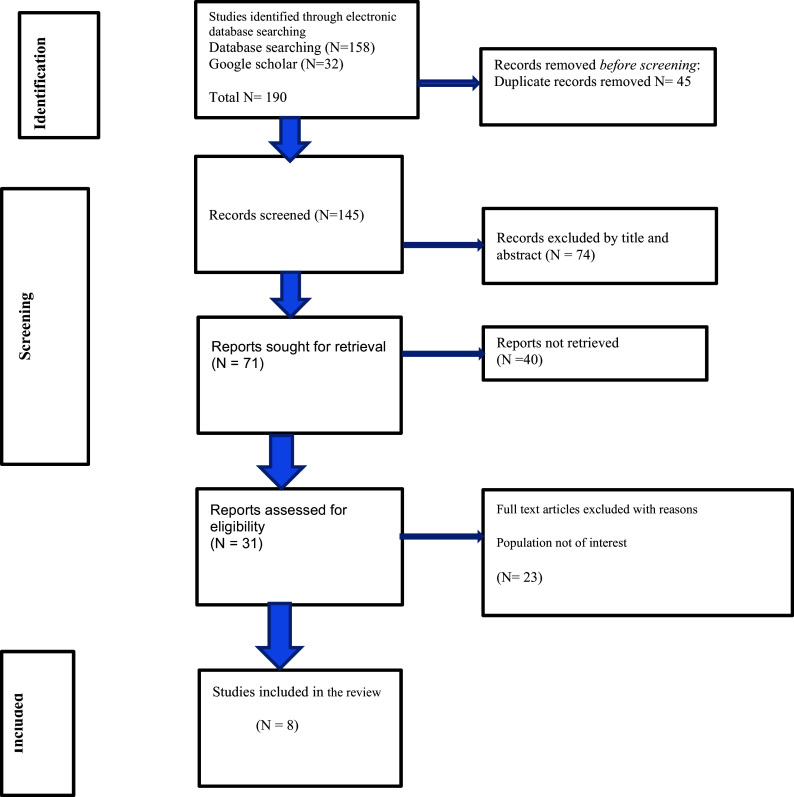
Figure 1. : PRISMA Flowchart describing the selection of studies mapping existing literature on digital health technology for substance use reduction in young adult college or university students in the LMIC.
Characteristics of the studies
The review identified 8 original, peer-reviewed studies (published between 2015 and 2025) examining digital health interventions for substance use reduction in LMICs. Publication trends revealed a gradual increase in research interest, with three studies (37.5%) published in the last five years (2020–2025). The year 2019 and 2018 had the number of publications of (n = 2, 25%) of each, while 2015, 2020, 2023, and 2024 contributed one study each. Despite this growth, the limited total number of studies highlights a significant research gap in LMICs. The earliest eligible study dated back to 2015, 48 the earliest eligible study dated back to 2015, 48 2018, 41, 49 2019, 43, 45 2020, 46 2023 44 and 2024 47 (
Figure 2).
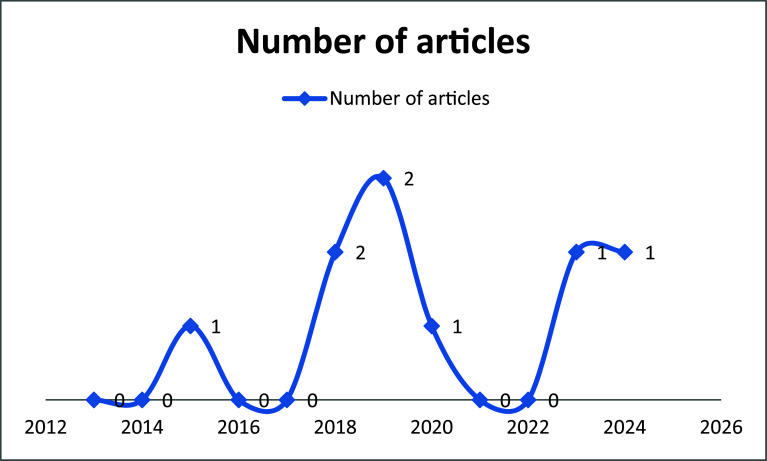
Figure 2. : Line graph showing articles published per year (publication trends as of time of data collection).
Of the 8 included primary studies, seven employed quantitative methodologies using randomized controlled trial (RCT) designs, 44– 48 while one study utilized a quasi-experimental approach, 43, 49 and another employed a cross-sectional methodology. 41 The studies spanned five countries: Brazil had the highest representation, 45– 48 contributing four studies, followed by and Iran, 51 and Vietnam, 52 each contributing one study. The participants in the studies were college or university students aged 18 years or older. For instance, in Brazil, 45, 46 the studies focused on college drinkers aged 18–30 who reported alcohol use in the past three months. In Tehran, 51 a study included 130 students living in dormitories to assess smoking prevention behaviors. Additional studies included participants from Turkey, India, Iran and other countries (
Figure 3) (Tables 1 and 2). 74
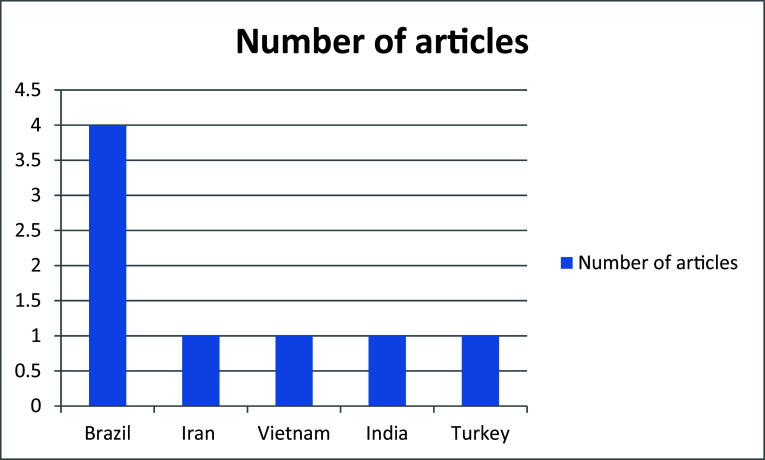
Figure 3. : Bar chart showing the distribution of articles per countries.
The studies employed a range of research designs to evaluate interventions targeting substance use, showcasing diverse methodological approaches. One study 44 conducted a mixed-methods cluster randomized controlled trial, integrating both quantitative and qualitative elements. Several studies used pragmatic RCTs, 47 including a dismantling design 46 and standard approaches. 45 Other studies utilized quasi-experimental designs, 43 cross-sectional surveys, and semi-structured interviews to assess intervention effectiveness. The sample sizes in these studies varied widely, from a small group of 20 university students to larger cohorts, such as one study analyzing data from 5,476 participants. Other studies included 931, 4,460, and 772 participants, with one focusing on 458 participants, and another examining a cohort of 191 individuals. The studies also demonstrated a mix of large-scale and smaller, targeted research efforts, illustrating the diverse strategies employed to explore substance use in different contexts (Table 1). 74
The studies in the review involved a wide range of sample sizes, further highlighting the diversity of research approaches. One study 46 analyzed data from a large cohort of 5,476 participants, while another 47 included 931 individuals, and a third study 45 involved 4,460 participants. One study 49 had 772 participants, whereas another 53 focused on a smaller group of 20 university students. Additionally, one study 48 involved 458 participants, while another 44 examined a sample of 191 individuals (Table 2). 74
One study 43 initially recruited 433 participants, completing their study with 314 individuals. Another study 51 focused on a smaller group of 130 participants, while a separate study 50 included a larger cohort of 1,496 individuals. Finally, one study 52 worked with a moderately sized cohort of 1,082 participants. Together, these studies reflect a balanced mix of large-scale and smaller, targeted research efforts, illustrating the multifaceted strategies employed to explore and address substance use across diverse populations and contexts (Table 2). 74
Type of digital health technologies
The most commonly used digital health technology in the included studies was the web-based personalized normative feedback (PNF) intervention, implemented in three studies. 45– 47 One study 50 utilized a web-based intervention called the Brief Empowerment Program for Alcohol-use Monitor (BEAM), which integrated PNF and motivational interviewing (MI) components. Other technologies included web portals or Android applications, 44 a web-based program, 43 e-health interventions, 52 a computer-based intervention, 48 the Telegram application, 51 instant messaging apps, 53 and mobile chat-based instant messaging 49 (Table 1). 74
Substance use reduction
The studies in the review employ a range of methods to define and assess substance use, focusing on alcohol and tobacco, and use validated tools like AUDIT and ASSIST to measure consumption patterns and associated risks. The common thread is the evaluation of substance use behaviors to identify risky patterns and inform potential interventions.
The majority of included primary studies focused on alcohol use, with seven articles 44– 47, 49, 50, 53 examining this substance. Three articles investigated tobacco smoking 43, 51, 52 and one explored broader substance use, encompassing tobacco, alcohol, marijuana, cocaine, amphetamine-stimulants, inhalants, sedatives, hallucinogens, opioids, and other substances. 48 The definition of substance use across the studies is largely consistent, revolving around alcohol consumption or smoking behavior, though the timeframes and criteria vary.
For alcohol use, several studies define it based on consumption in the previous months or year, 46, 47 who focus on alcohol use in the past 3 months and 12 months, respectively, using the AUDIT-C tool to assess the frequency and quantity of consumption. Other studies in the review, 45, 49 expand the definition to include hazardous drinking patterns and risk levels, which are measured using the AUDIT tool. Some studies, 50 set specific cutoffs for identifying problematic alcohol use (e.g., AUDIT-C scores of 4 for men and 3 for women).
Tobacco use is similarly defined as the act of smoking or using tobacco products. For instance studies like, 43, 51 focus on smoking behaviors, with defining smoking as using at least one cigarette a day and the Health Belief Model to assess smoking behaviors and perceptions of risk. Additionally, studies like 48 examine both alcohol and drug use, including tobacco, using the ASSIST screening tool.
Measurement tools and criteria are generally based on well-established scales, including AUDIT, AUDIT-C, and ASSIST, which assess the severity of substance use and associated risks. For instance, the AUDIT-C tool is commonly used to evaluate alcohol consumption, while the ASSIST tool is employed to assess alcohol, tobacco, and other drug use. These tools help to identify hazardous drinking behaviors, smoking habits, and potential substance use disorders, often through self-reported surveys (Table 1). 74
Purpose and digital health strategies
The included studies explored various purposes related to the digital health technology: Two studies 45, 46 aimed to reduce alcohol use and alcohol-related consequences. Three studies focused on reducing alcohol use specifically, 47, 49, 53 while one study 50 aimed to prevent problematic alcohol use and the other one on digital screening and brief intervention for alcohol misuse. 44 Two articles addressed tobacco smoking cessation, 43, 52 and another focused on smoking preventive behaviors. 51 Finally, one study aimed to reduce overall substance use involvement 48 (Table 1). 74
The studies in the review explored various digital interventions aimed at address substance use, particularly alcohol and smoking, in college and university settings. One study 44 developed a digital screening and brief intervention for alcohol use, delivered through an interactive digital platform tailored to help college students reduce their alcohol consumption. Another study 43 designed a web-based smoking cessation program that offered educational tools, resources, personalized counseling, and progress tracking to support quitting (Table 1). 74
One study created an online platform providing students with customized feedback on their alcohol consumption compared to peer norms, delivered through self-paced web sessions. 46 In a similar vein, another study 45 implemented a web-based intervention for Brazilian college students focusing on motivational strategies to reduce alcohol use. A different study 47 developed a personalized normative feedback system to address alcohol-related misperceptions among students using an online platform. Additionally, one study 52 introduced an e-health intervention to promote smoking cessation through educational content, personalized counseling, and behavior change strategies delivered via the internet and mobile platforms (Table 1). 74
Another study 48 evaluated a computer-based intervention with three groups: one receiving computerized screening and motivational intervention, another receiving non-computerized screening with motivational intervention and a control group undergoing assessment only. One study 51 applied an educational intervention based on the Health Belief Model and health literacy principles, incorporating lectures, discussions, and health education materials (Table 1). 74
One study 53 used instant messaging apps to deliver alcohol reduction interventions, emphasizing personalized communication and engagement. In another study 49 employed the brief interventions using either instant messaging (IM) or text messaging (SMS) to support alcohol reduction efforts. Lastly, a study 50 implemented a web-based screening and brief intervention targeting problematic alcohol use, providing tailored feedback through an online platform (Table 1). 74
These interventions highlight a wide range of strategies, including personalized feedback, counseling, motivational techniques, and behavioral support, delivered through digital platforms such as web-based systems, mobile apps, and messaging services to address substance misuse among college students (Table 1). 74
Dose and duration of the Interventions
The studies in the review implemented various interventions with differing doses and durations. One study 44 conducted a single digital session that combined screening, feedback, and motivational interviewing, followed up over a period of 3 months. Another study 43 provided participants access to a gradual, content-based program with weekly follow-ups or reminders over 6 months. A third study 46 implemented a single-session, web-based Personalized Normative Feedback (PNF) intervention for alcohol use with a follow-up duration of 6 months, while another study 45 also used a single web-based session featuring personalized feedback over the same duration. Additionally, one study 47 enhanced its web-based PNF intervention with booster sessions, maintaining a 6-month timeframe (Table 1). 74
A separate study 52 focused on smoking habits, offering personalized feedback and encouraging participants to set quit dates and track their progress. Another study 48 implemented a single-session tailored intervention addressing substance involvement with feedback components, with a follow-up over 3 months. One study 51 implemented an electronic educational intervention via six sessions delivered through the Telegram application over 3 months, while the control group received no intervention (Table 1). 74
Another study 53 explored participants’ perceptions of intervention doses, concentrating on qualitative insights into app usage without implementing a specific dose. Meanwhile, a separate study 49 featured two intervention groups: one receiving chat-based instant messaging support for alcohol reduction, and the other receiving SMS messages on general health topics, both over 3 months. Lastly, one study 50 delivered a single-session intervention with personalized feedback on alcohol use, with a follow-up period of 4 weeks (Table 1). 74
Outcomes of digital categories
The review of the included primary studies revealed diverse outcomes for the digital intervention categories. One study 46 found no evidence supporting the intervention’s effectiveness, while another 45 demonstrated its success in reducing alcohol use. A third study 47 observed that the intervention was effective in reducing alcohol consumption for one month but showed no lasting impact thereafter. Another study 52 highlighted the feasibility of integrating e-health interventions with traditional clinical or telephone-based models. One study 48: reported effectiveness in reducing alcohol use, low effectiveness for marijuana, and inconsistent results for tobacco and other drugs. An educational intervention using the Telegram application, grounded in the Health Belief Model (HBM) and Health Literacy (HL), was effective in promoting smoking prevention behaviors among university students. 51 Instant messaging interventions were found to be highly acceptable. 53 Two studies 49, 50 demonstrated the effectiveness of the mobile chat-based instant messaging and web-based interventions specifically on-BEAM, which incorporates personalized normative feedback (PNF) and motivational interviewing (MI) components. Additionally, one study 44 found that a digital screening and brief intervention for alcohol misuse was acceptable, feasible, and potentially effective among college students from low-resource settings. Lastly, another program 43 successfully helped students quit smoking, enhanced their self-efficacy, and facilitated the process of change toward smoking cessation (Table 1). 74
Outcomes measured
The studies included in the review assessed a range of outcomes related to substance use interventions, particularly focusing on alcohol and smoking behaviors. Several studies measured changes in alcohol consumption and related behaviors. For instance, one study 46 evaluated self-reported changes in alcohol use and associated behaviors, while a later study 47 specifically measured reductions in weekly alcohol consumption and drinking-related consequences. Similarly, one study 45 assessed alcohol use through AUDIT scores, drink counts, and consequences. One study in Hong Kong 49 also focused on alcohol use reduction, while another study 53 examined the feasibility, acceptability, and perceptions of using instant messaging apps for reducing alcohol consumption (Table 2). 74
One study 48 evaluated substance involvement reduction for alcohol, tobacco, and cannabis, reflecting a broader scope of intervention. Another study 44 examined changes in alcohol use behaviors and associated risks, providing insights into behavioral outcomes (Table 2). 74
Smoking-related outcomes were also a focus of several studies. One study 43 measured smoking cessation rates, self-efficacy, and the process of change, while another study 51 evaluated the adoption of smoking prevention behaviors using the Health Belief Model combined with health literacy principles. One study 52 assessed smoking prevalence, quit attempts, and the willingness to pay for cessation apps (Table 2). 74
Finally, one study 50 investigated reductions in AUDIT-C scores as a measure of alcohol use. Collectively, these studies highlight a variety of outcome measures, including behavioral changes, feasibility and acceptability of interventions, and the effectiveness of specific strategies to reduce substance use (Table 2). 74
In general the review targeting alcohol and smoking behaviors among university students, predominantly aged 15 and above, revealed diverse methodologies and outcomes based on context and population. Three studies in the review evaluated Personalized Normative Feedback (PNF) interventions in Brazil, finding them effective in reducing alcohol consumption, especially in motivated participants, though effectiveness diminished with low motivation or longer follow-ups. 45– 47 Similarly, one study demonstrated that instant messaging interventions reduced short-term alcohol use in Hong Kong, 49 while their qualitative study highlighted user acceptance and preference for personalized, private digital interventions. 53 One study in the review reported on computerized screening and motivational interventions that effectively reduced substance involvement, particularly alcohol, though challenges remained in cannabis use. 48 The other study in India utilized digital tools, showing feasibility and potential effectiveness despite limited generalizability. 44 Smoking cessation by two studies in Turkey and Iran 43, 51: leveraged web-based and educational interventions integrating behavioral models, improving cessation rates and preventive behaviors. Lastly, one study in the review explored e-health interventions in Vietnam, noting their feasibility but emphasizing the need for reliable information to enhance uptake 52 (Table 2). 74
Discussion
This scoping review aimed to explore various digital health technologies to reduce substance use, focusing on their applications, specific elements, and effectiveness among college and university students in low- and middle-income countries (LMICs). The findings reveal a notable lack of peer-reviewed articles on this topic, especially from 2020 to 2025, with only five studies identified and none from Africa, underscoring a critical research gap. The earliest study included was from 2015, 48 emphasizing the need for more primary research, despite the increasing availability of information technology in recent years. 54, 55 This review collectively highlights the promise of tailored digital and educational interventions, albeit with varying levels of success influenced by participant motivation, cultural contexts, and methodological limitations.
Brazil had the most studies included in the review, likely due to its significant internet growth and widespread smartphone penetration, especially among individuals aged 18–55. 56 However, other LMICs face challenges like limited internet access, illiteracy, worsening poverty, and a lack of research from Africa. 57, 58 Notably, no studies from Nigeria—a country with the highest number of internet users in Africa were included, suggesting potential issues with resource allocation and prioritization of research on substance use disorder (SUD) interventions, 42 lacked representation. Despite these challenges, our findings suggest that digital health interventions have the potential to decrease substance use in LMICs. However, the effectiveness of these interventions may not be widely reported or published, highlighting the need for more research and dissemination of findings.
The review suggests that digital health interventions, including web-based programs, instant messaging platforms, web-based personalized normative feedback (PNF), web-based motivational interviewing (MI), and e-health applications, hold promise for reducing substance use among college students. 59, 60 However, their effectiveness varies based on factors such as participant motivation, cultural context, and methodological design. Among the targeted population of young adults aged 18 and older, alcohol and tobacco use were the primary focus, reflecting evidence that substance use often peaks between ages 18–25. 41 Digital interventions, such as instant messaging and web-based feedback, showed potential in motivating students to abstain from psychoactive substances, though success depended on specific contexts and approaches. Furthermore, substance use disorder represents a major public health challenge with profound impacts on individuals, families, and society. 61 Consequently, it is essential to implement substance use reduction programs tailored to this demographic. Due to their cost-effectiveness, accessibility, and ability to reach underserved populations, digital health technologies should be a priority in LMICs to enhance healthcare delivery and expand access to necessary interventions.
While the majority of studies in the review employed quantitative methods, randomized controlled trials (RCTs) were the most common design. Interventions were typically evaluated at both individual and group levels, lending robustness to the findings. However, methodological limitations, such as high attrition rates, reliance on self-reported data, short follow-up periods, and underrepresentation of non-smartphone users, were common. Additionally, few studies explored educational interventions incorporating health literacy and the Health Belief Model, highlighting another research gap. The diverse mechanisms contributing to these significant findings suggest that studies employing eclectic approaches may require replication across different settings to confirm the positive outcomes of digital health interventions in reducing substance use. 62, 63
The review identified that digital health interventions for alcohol use were more prevalent than those for other substances, such as tobacco, marijuana, or opioids. This focus is justified by alcohol’s significant contribution to global disease burden and injury outcomes. 64 However, studies on interventions for other psychoactive substances should be interpreted cautiously due to the limited data and varying levels of effectiveness. 65
Digital health interventions offer significant potential for delivering information and healthcare services aimed at reducing substance use and implementing effective treatment strategies across diverse populations. 65, 66 Promising approaches include mobile applications, instant messaging platforms, and web-based programs, which have been shown to reduce stigma, enhance treatment accessibility, and address resource limitations in LMICs. 67– 69 Text messaging interventions, in particular, demonstrated affordability and feasibility, making them a practical option for resource-limited settings. 70, 71 Despite these advantages, high attrition rates and challenges such as infrastructure limitations, resistance from healthcare staff and associated costs can hinder the acceptability and effectiveness of these interventions. Nevertheless, their overall benefits remain substantial. 59
Overall, this review underscores the potential of digital health technologies to reduce substance use among university students in LMICs. Despite challenges such as high attrition rates and methodological constraints, 65, 72 these interventions provide innovative, cost-effective, and accessible solutions to address public health concerns. 73 Future research should focus on expanding the scope of studies, particularly in underrepresented regions like Africa, and evaluating long-term outcomes to ensure sustainable benefits.
Strengths and limitations
This scoping review provides a valuable synthesis of digital health interventions for substance use reduction among university students in LMICs, employing a rigorous methodology guided by PRISMA-ScR standards. Its key strengths include a comprehensive search strategy across multiple databases, clearly defined inclusion criteria, and a focus on an under-researched population in global health. However, several important limitations must be acknowledged. The review was restricted to English-language publications, potentially excluding relevant studies in other languages and introducing geographic bias, as evidenced by the predominance of studies from Brazil and absence of research from Africa. The included studies exhibited significant heterogeneity in design, interventions, and outcome measures, which, while providing breadth of understanding, limited direct comparisons of effectiveness. Most concerning is the paucity of studies (only 8 over a decade) meeting inclusion criteria, suggesting either limited primary research in LMICs or publication bias favoring high-income country research.
Methodological challenges were apparent across studies, including short follow-up periods (typically ≤6 months), high attrition rates, and reliance on self-reported data, all of which constrain conclusions about long-term effectiveness. The predominance of alcohol-focused interventions (5 of 8 studies) leaves other substance use behaviors underexplored. Technological barriers were rarely addressed, despite varying internet access across LMICs potentially limiting intervention reach. While maintaining broad inclusion criteria aligned with scoping review methodology, the incorporation of studies with varying quality levels may affect overall findings’ robustness.
These limitations highlight critical gaps for future research, including the need for culturally adapted interventions in underrepresented regions, longer-term evaluations incorporating objective measures, and studies examining implementation barriers in low-resource settings. Addressing these challenges will be essential for developing effective, scalable digital solutions to reduce substance use in LMIC university populations.
Conclusions
This scoping review offers a thorough overview of the use of digital health technologies to reduce substance use among college and university students in LMICs. It highlights the effectiveness of various digital health interventions and identifies key areas for future research. The findings underscore the significant potential of digital health technologies to address substance use, particularly in underserved communities. When effectively implemented, mobile health interventions could play a pivotal role in reducing substance use. However, despite a growing body of evidence, a notable knowledge gap remains regarding the specific impact of these interventions on LMIC college and university students, making it challenging to definitively establish their effectiveness. To address this gap, larger-scale randomized studies are urgently needed to evaluate these interventions’ efficacy in this population.
Overall, the review highlight the potential of digital, web-based, and mobile interventions to reduce alcohol and smoking behaviors, with their effectiveness varying depending on factors such as participant motivation, cultural context, and intervention design. They emphasize the wide range of strategies, tools, and designs employed in digital interventions for substance use. While many of the interventions in the review showed effectiveness or feasibility, the outcomes differed based on the type of substance, delivery methods, and target populations.
To reduce substance use in low- and middle-income countries (LMICs), a strategic, multi-faceted approach is essential. This involves creating supportive environments for digital health technologies, even in resource-limited settings. Research on substance use reduction should be prioritized, with a focus on disseminating findings widely. Future studies should target college and university students, using larger, more diverse samples, appropriate follow-up periods, and replication across different populations to validate the effectiveness of digital health interventions. Additionally, conducting systematic reviews or meta-analyses will help synthesize existing evidence and improve understanding of mobile health (mHealth) interventions for substance use reduction in these regions. This comprehensive approach will contribute to developing sustainable and effective solutions for the unique challenges in LMICs.
Ethics and consent
Ethics and consent were not required.
References
- CS Conley, JB Shapiro, BM Huguenel. Navigating the college years: Developmental trajectories and gender differences in psychological functioning, cognitive-affective strategies, and social well-being.. Emerg. Adulthood., 2020. [DOI]
- A Martel. Transition-age youth: Who are they? What are their unique developmental needs? How can mental health practitioners support them?. Transition-Age Youth Mental Health Care: Bridging the Gap Between Pediatric and Adult Psychiatric Care., 2021. [DOI]
- M Davis, K Sabella, LM Smith. Becoming an Adult: Challenges for Those with Mental Health Conditions [English and Spanish versions].. 2011
- M Olfson, S Shea, A Feder. Prevalence of anxiety, depression, and substance use disorders in an urban general medicine practice.. Arch. Fam. Med., 2000. [DOI | PubMed]
- ML Adelekan, OA Abiodun, AO Imouokhome-Obayan. Psychosocial correlates of alcohol, tobacco and cannabis use: findings from a Nigerian university.. Drug Alcohol Depend., 1993. [DOI | PubMed]
- AB Makanjuola, TO Daramola, AO Obembe. Psychoactive substance use among medical students in a Nigerian university.. World Psychiatry., 2007. [PubMed]
- LD Johnston, PM O’Malley, RA Miech. Monitoring the Future national survey results on drug use, 1975-2016: Overview, key findings on adolescent drug use.. 2017
- JS Simons, RM Gaher, CJ Correia. An affective-motivational model of marijuana and alcohol problems among college students.. Psychol. Addict. Behav., 2005. [DOI | PubMed]
- JP Read, MD Wood, OJ Davidoff. Making the transition from high school to college: The role of alcohol-related social influence factors in students’ drinking.. Subst. Abus., 2002. [DOI | PubMed]
- S El Hayek, V Lasebikan, A Noroozi. Alcohol and drug use in low-and middle-income countries.. Frontiers Media SA., 2024. [DOI]
- B Borsari, KB Carey. Peer influences on college drinking: A review of the research.. J. Subst. Abus., 2001. [DOI]
- 12 WHO: Atlas on substance use: resources for the prevention and treatment of substance use disorders. Geneva: World Health Organization;2010.
- A Wahl. International Narcotics Enforcement. Vol., 2024
- A Makanjuola, O Abiodun, S Sajo. Alcohol and psychoactive substance use among medical students of the University of Ilorin, Nigeria.. Eur. Sci. J., 2014
- T Steyl, J Phillips. Actual and perceived substance use of health science students at a university in the Western Cape, South Africa.. Afr. Health Sci., 2011. [PubMed]
- E Babalola, A Ogunwale, A Akinhanmi. Pattern of psychoactive substance use among university students in South-Western Nigeria.. J. Behav. Health., 2013. [DOI]
- W Deressa, A Azazh. Substance use and its predictors among undergraduate medical students of Addis Ababa University in Ethiopia.. BMC Public Health., 2011. [DOI | PubMed]
- M Gebreslassie, A Feleke, T Melese. Psychoactive substances use and associated factors among Axum University students, Axum Town, North Ethiopia.. BMC Public Health., 2013. [PubMed]
- A Joseph. Depression, Substance Abuse and College Student Engagement: A Review of the Literature.. National Criminal Justice Reference Services., 2003
- G Tesfaye, A Derese, MT Hambisa. Substance use and associated factors among university students in Ethiopia: a cross-sectional study.. J. Addict., 2014. [DOI | PubMed]
- P Reddy, K Resnicow, R Omardien. Prevalence and correlates of substance use among high school students in South Africa and the United States.. Am. J. Public Health., 2007. [DOI | PubMed]
- BO Olley. Child sexual abuse, harmful alcohol use and age as determinants of sexual risk behaviours among freshmen in a Nigerian University.. Afr. J. Reprod. Health., 2008. [PubMed]
- L Atwoli, PA Mungla, MN Ndung’u. Prevalence of substance use among college students in Eldoret, western Kenya.. BMC Psychiatry., 2011. [DOI | PubMed]
- AM Wolaver. Effects of heavy drinking in college on study effort, grade point average, and major choice.. Contemp. Econ. Policy., 2002. [DOI]
- AM Arria, KM Caldeira, BA Bugbee. The academic consequences of marijuana use during college.. Psychol. Addict. Behav., 2015. [DOI | PubMed]
- ME Rimsza, KS Moses. Substance abuse on the college campus.. Pediatr. Clin., 2005. [PubMed]
- AM Arria, LM Garnier-Dykstra, ET Cook. Drug use patterns in young adulthood and post-college employment.. Drug Alcohol Depend., 2013. [DOI | PubMed]
- CR Skidmore, EA Kaufman, SE Crowell. Substance use among college students.. Child Adolesc. Psychiatr. Clin., 2016. [DOI]
- AM White, RW Hingson, I-J Pan. Hospitalizations for alcohol and drug overdoses in young adults ages 18–24 in the United States, 1999–2008: results from the Nationwide Inpatient Sample.. J. Stud. Alcohol Drugs., 2011. [DOI | PubMed]
- Monitoring and evaluating digital health interventions: a practical guide to conducting research and assessment.. 2016
- A Gulliver, L Farrer, JK Chan. Technology-based interventions for tobacco and other drug use in university and college students: a systematic review and meta-analysis.. Addict. Sci. Clin. Pract., 2015. [DOI | PubMed]
- GW Greene, AA White, SL Hoerr. Impact of an online healthful eating and physical activity program for college students.. Am. J. Health Promot., 2012. [DOI | PubMed]
- KH Poddar, KW Hosig, ES Anderson. Web-based nutrition education intervention improves self-efficacy and self-regulation related to increased dairy intake in college students.. J. Am. Diet. Assoc., 2010. [DOI | PubMed]
- DD Jackson, LA Ingram, CB Boyer. Can technology decrease sexual risk behaviors among young people? Results of a pilot study examining the effectiveness of a mobile application intervention.. Am. J. Sex. Educ., 2016. [DOI]
- L Farrer, A Gulliver, JK Chan. A virtual mental health clinic for university students: a qualitative study of end-user service needs and priorities.. JMIR Mental Health., 2015. [DOI]
- L Farrer, A Gulliver, JK Chan. Technology-based interventions for mental health in tertiary students: systematic review.. J. Med. Internet Res., 2013. [DOI | PubMed]
- MNK Boulos, AC Brewer, C Karimkhani. Mobile medical and health apps: state of the art, concerns, regulatory control and certification.. Online J. Public Health Inform., 2014. [DOI]
- H Arksey, L O’Malley. Scoping studies: towards a methodological framework.. Int. J. Soc. Res. Methodol., 2005. [DOI]
- AC Tricco, E Lillie, W Zarin. PRISMA Extension for Scoping Reviews (PRISMA-ScR): Checklist and Explanation.. Ann. Intern. Med., 2018. [DOI | PubMed]
- 40 Bank W: New country classifications by income level: 2019–2020. The World Bank Group;2019.
- F Merz. United Nations Office on Drugs and Crime: World Drug Report 2017.. SIRIUS-Zeitschrift für Strategische Analysen., 2018. [DOI]
- M Stanovic. Internet and the Environment: A Catalyst to Consumerism and Environmental Degradation.. 2022
- A Koyun, K Eroğlu. Developing a Web-Based Smoking Cessation Program and Evaluating Its Effectiveness.. PLoS One., 2019
- A Ghosh, NC Krishnan, S Kathirvel. Digital screening and brief intervention for alcohol misuse in college students: A pilot, mixed-methods, cluster randomized controlled trial from a low-resourced setting.. Asia Pac. Psychiatry., 2023. [DOI | PubMed]
- A Bedendo, CP Ferri, AAL Souza. Pragmatic randomized controlled trial of a web-based intervention for alcohol use among Brazilian college students: Motivation as a moderating effect.. Drug Alcohol Depend., 2019. [DOI | PubMed]
- A Bedendo, J McCambridge. Components evaluation of a web-based personalized normative feedback intervention for alcohol use among college students: a pragmatic randomized controlled trial with a dismantling design.. 2020
- A Bedendo, J Gaume, J McCambridge. Booster effects and mechanisms of web-based personalised normative feedback alcohol intervention for college students: A pragmatic randomised controlled trial.. J. Behav. Addict., 2024
- O Christoff Ade, R Boerngen-Lacerda. Reducing substance involvement in college students: a three-arm parallel-group randomized controlled trial of a computer-based intervention.. Addict. Behav., 2015. [DOI | PubMed]
- SL Chau, TT Luk, BYC Wong. A Brief Intervention With Instant Messaging or Regular Text Messaging Support in Reducing Alcohol Use: A Randomized Clinical Trial.. JAMA Intern. Med., 2024. [DOI | PubMed]
- S Sharif, H Naeem, FUA Naeem. Efficacy of a Web-Based Screening and Brief Intervention to Prevent Problematic Alcohol Use in Korea: Results of a Randomized Controlled Trial.. PLoS One., 2019
- R Panahi, A Ramezankhani, M Tavousi. Adding health literacy to the health belief model: effectiveness of an educational intervention on smoking preventive behaviors among university students.. Iran Red Crescent Med. J., 2018. [DOI]
- BX Tran, XTT Le, PN Nguyen. Feasibility of e-health interventions on smoking cessation among Vietnamese active internet users.. Int. J. Environ. Res. Public Health., 2018. [DOI | PubMed]
- SL Chau, YC Wong, YP Zeng. Perceptions of using instant messaging apps for alcohol reduction intervention among university student drinkers: semistructured interview study with Chinese university students in Hong Kong.. JMIR Form. Res., 2023. [DOI | PubMed]
- N Bertholet, JA Cunningham. Information technology and addiction science: promises and challenges.. Addict. Sci. Clin. Pract., 2021. [PubMed]
- M Bandawar, VL Narasimha, P Chand. Use of digital technology in addiction disorders.. Indian J. Psychiatry., 2018. [DOI | PubMed]
- MI Ojeahere, SK Kiburi, P Agbo. Telehealth interventions for substance use disorders in low-and-middle income countries: A scoping review.. PLOS Digital Health., 2022. [DOI | PubMed]
- JM Heijdra Suasnabar, B Hipple Walters. Community-based psychosocial substance use disorder interventions in low-and-middle-income countries: a narrative literature review.. Int. J. Ment. Heal. Syst., 2020
- SD Rathod, MJ De Silva, J Ssebunnya. Treatment contact coverage for probable depressive and probable alcohol use disorders in four low-and middle-income country districts: the PRIME cross-sectional community surveys.. PLoS One., 2016. [DOI | PubMed]
- ZM Sanchez, A Sanudo. Web-based alcohol intervention for nightclub patrons: Opposite effects according to baseline alcohol use disorder classification.. Subst. Abus., 2018. [DOI | PubMed]
- RR Marzo, S Bhattacharya, S Ravichandran. Educating school students and gauging their perception about the harmful effects of smoking using a “Facial-Ageing App (mobile application):” An experience from Malaysia.. J. Educ. Health Promot., 2019. [DOI | PubMed]
- C Ibrahim, DS Rubin-Kahana, A Pushparaj. The insula: a brain stimulation target for the treatment of addiction.. Front. Pharmacol., 2019. [DOI | PubMed]
- AP Cupertino, F Cartujano-Barrera, M Ramírez. A mobile smoking cessation intervention for Mexico (Vive sin Tabaco…¡ Decídete!): Single-arm pilot study.. JMIR Mhealth Uhealth., 2019. [DOI | PubMed]
- S Yu, Z Duan, PB Redmon. mHealth intervention is effective in creating smoke-free homes for newborns: A randomized controlled trial study in China.. Sci. Rep., 2017. [DOI | PubMed]
- J Rehm, S Imtiaz. A narrative review of alcohol consumption as a risk factor for global burden of disease.. Subst. Abuse Treat. Prev. Policy., 2016. [PubMed]
- M Tiburcio, MA Lara, N Martínez. Web-based intervention to reduce substance abuse and depression: a three arm randomized trial in Mexico.. Subst. Use Misuse., 2018. [DOI | PubMed]
- AP Cupertino, F Cartujano-Barrera, J Perales. “Vive sin tabaco … ¡ Decídete!” Feasibility and acceptability of an e-Health smoking cessation informed decision-making tool integrated in primary healthcare in Mexico.. Telemed. E Health., 2019. [DOI | PubMed]
- VS Harder, AM Musau, CW Musyimi. A randomized clinical trial of mobile phone motivational interviewing for alcohol use problems in Kenya.. Addiction., 2020. [DOI | PubMed]
- J Chen, E Ho, Y Jiang. Mobile social network–based smoking cessation intervention for chinese male smokers: pilot randomized controlled trial.. JMIR Mhealth Uhealth., 2020. [DOI | PubMed]
- ALM Andrade, RB Lacerda, HP Gomide. Web-based self-help intervention reduces alcohol consumption in both heavy-drinking and dependent alcohol users: a pilot study.. Addict. Behav., 2016. [DOI | PubMed]
- F Cartujano-Barrera, L Sanderson Cox, E Arana-Chicas. Feasibility and acceptability of a culturally-and linguistically-adapted smoking cessation text messaging intervention for Latino smokers.. Front. Public Health., 2020. [DOI | PubMed]
- D Blitchtein-Winicki, K Zevallos, MR Samolski. Feasibility and acceptability of a text message-based smoking cessation program for young adults in Lima, Peru: pilot study.. JMIR Mhealth Uhealth., 2017
- H Han, JY Zhang, Y-I Hser. Feasibility of a mobile phone app to support recovery from addiction in China: secondary analysis of a pilot study.. JMIR Mhealth Uhealth., 2018. [DOI]
- GG Sagaro, G Battineni, F Amenta. Barriers to sustainable telemedicine implementation in Ethiopia: a systematic review.. Telemed. Rep., 2020. [DOI | PubMed]
- M Guta, F Abamecha, D Amdisa. Application of digital health technologies to substance use reduction among students in higher education institutions: A scoping review.. figshare. Thesis., 2025. [DOI]