
Growing ganja permission: a real gate-way for Thailand’s promising industrial crop?
Abstract
The current revision to Thailand’s Narcotics Act (B.E. 2563) permits Thai corporations to produce cannabis (ganja) for therapeutic purposes, as well as conduct beneficial research and development in science and agriculture. While ganja possession, distribution, and use are still illegal in Thailand, the law removes certain elements of Cannabis sativa (including hemp) from the narcotic lists as of December 2020 and Thailand’s narcotics board plans to remove them totally from the lists before the last quarter of 2022. The Thai Food and Drug Administration (Thai FDA) board maintains the exclusive licensing authority to assess applications and provide authorization due to the complexity of the registration process. In this view, we analyzed the guidelines for obtaining cannabis production license, and it was apparent that the announced law was in-line with regulations set-out by many countries in terms of security and prevention of misuse. The other criteria however fall merely onto the government gains, rather than public interests. To avoid the claimed state monopoly, several types of licensing should be issued in the future, depending on the genuine purpose of the farmers. The complete regulation process and conditions for obtaining a ganja growing license in Thailand are highlighted and discussed in this review.
Article type: Review Article
Keywords: Cannabis, Ganja, Legalization, Marijuana, Thai sticks, Thailand
Affiliations: grid.7132.70000 0000 9039 7662Department of Plant and Soil Sciences, Faculty of Agriculture, Chiang Mai University, Chiang Mai, Thailand; grid.7132.70000 0000 9039 7662Cluster of Agro Bio-Circular-Green Industry (Agro BCG), Chiang Mai University, Chiang Mai, Thailand; grid.7132.70000 0000 9039 7662Department of Animal and Aquatic Science, Faculty of Agriculture, Chiang Mai University, Chiang Mai, Thailand; grid.7132.70000 0000 9039 7662School of Agro-Industry, Faculty of Agro-Industry, Chiang Mai University, Chiang Mai, Thailand; Department of Biotechnology and Bioinformatics, Faculty of Life Sciences, JSS Academy of Higher Education and Research, Mysuru, India
License: © The Author(s) 2022 CC BY 4.0 Open AccessThis article is licensed under a Creative Commons Attribution 4.0 International License, which permits use, sharing, adaptation, distribution and reproduction in any medium or format, as long as you give appropriate credit to the original author(s) and the source, provide a link to the Creative Commons licence, and indicate if changes were made. The images or other third party material in this article are included in the article’s Creative Commons licence, unless indicated otherwise in a credit line to the material. If material is not included in the article’s Creative Commons licence and your intended use is not permitted by statutory regulation or exceeds the permitted use, you will need to obtain permission directly from the copyright holder. To view a copy of this licence, visit http://creativecommons.org/licenses/by/4.0/.
Article links: DOI: 10.1186/s42238-022-00121-4 | PubMed: 35249552 | PMC: PMC8898406
Relevance: Relevant: mentioned in keywords or abstract
Full text: PDF (2.4 MB)
Background
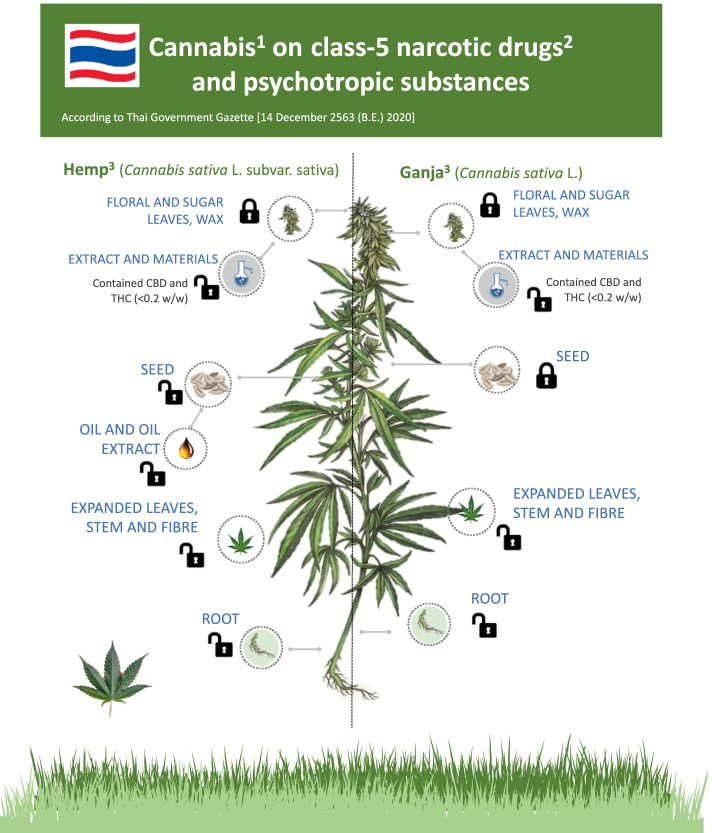
Apart from kratom (Mitragyna speciosa Korth) and a tablet methamphetamine or yaba, ganja or marijuana (Cannabis sativa L.) has remained the most commonly reported type of illicit drugs used in Thailand for the last 20 years (Angkurawaranon et al. ref. 2018). In traditional alternative medicine, these plant-based medications are known for their functional properties, and Thailand is well known for having an ideal climate for production (Chouvy ref. 2019; Tipparat et al. ref. 2012). More importantly, since the late 1960s, Thailand has been noted for developing the unique technique for ganja growing that produces thick inflorescences dense to the stem known as “Thai sticks” (Chouvy ref. 2019; Kravanja ref. 2016). Nowadays, it is commonly agreed that the cannabis either hemp or ganja is from the same species of C. sativa L., and therefore, growing these plants had been prohibited in Thailand since 1979. Since 2007, however, attempts have been made to legalize hemp for textile purposes (Tipparat et al. ref. 2014; Sommano et al. ref. 2020). In 2018, Thai legislation formally legalized ganja as a class-5 narcotic drug and psychotropic substance for therapeutic purposes, although recreational use of the substance is still prohibited (Cannacata ref. 2020; Kanato et al. ref. 2020). The current permission intends to make ganja one of Thailand’s future industrial crops, with benefits for research, agriculture, tourism, and the local market, as well as protecting Thai verities’ intellectual property (Cannacata ref. 2020). As from December 2020, certain parts of ganja and hemp (subsp. sativa) as well as their extracts and by-products from extracting process with the content of tetrahydrocannabinol (THC) no greater than 0.2% were removed from the narcotic list (Gazette and Health Mo ref. 2020). The permission allows stem, root, leaves with no bud or florescence, hemp seed and hemp seed oil, under granted permission, to be used freely (Fig. 1). The plant parts and substances other than these are still considered drugs of psychotropic potential under the provisions of the Thai Narcotics Act (B.E. 2522) (1979). For distribution of cannabis-related drugs, the penalty is a maximum of 15 years in jail and a fine of up to 1.5 million THB, with lesser penalties for manufacturing, importation, or exportation depending on the quantity (Leechaianan and Longmire ref. 2013; Aroonsrimorakot et al. ref. 2019). Meanwhile, charges for cannabis-related drug usage carry a maximum sentence of 1 year in prison and a maximum fine of 20,000 THB. Nonetheless, after the legal revisions took effect in 2018, research revealed a massive increase in the number of ganja users in Thailand (Kanato et al. ref. 2020). This number may rise in the future as the public at large becomes more aware of scientific evidence and the therapeutic effects of cannabis in the treatment of illnesses (Ratwichit and Jitkuakul ref. 2019; Thaikla et al. ref. 2018). The new rule allows licensed traditional medicine professionals and modern medical practitioners to dispense licensed medicinal grade cannabis products and Thai Traditional Medicine formulations (Zinboonyahgoon et al. ref. 2020).
Although Thailand was the first country in Asia to amend its narcotics-control laws in an attempt to promote the use of cannabis for medical purposes (Zinboonyahgoon et al. ref. 2021; Jialin et al. ref. 2020), experts have opined that the amendment is very limited, allowing only licensed research and development with public institutes and consumption with a medical certificate, raising the question of whether it will or will not benefit the nations and, more importantly, Thai farmers (Beatty ref. 2020; Parpart ref. 2020). The purposes of current review are to access the status of legalization and to discuss the advancement and limitation(s) of existing regulation(s) for Thai cannabis growers. The presented information herein will be advantageous for farmers and entrepreneurs, alike, abiding by these new law and regulation.
Significant of ganja permit regulations for Thai public health
While the public is concerned about the change of Thailand’s cannabis law, legalization is exclusively for medicinal purposes or as drug regulation in general (Rägo and Santoso ref. 2008). In 2018, the World Health Organization (WHO) expert committee on drug dependence had agreed on the appropriate level of international controls for cannabidiol (CBD), a phytocannabinoid devoid of psychoactive effects to be used for medical purposes (Mayor ref. 2019); the Thai government has adopted this to the law a year later on February 18, 2019 (Zinboonyahgoon et al. ref. 2020; Rehm et al. ref. 2019). CBD has recently been studied in preclinical and clinical trials and proven to have a potential pharmacotherapy for treating symptoms of a variety of neuropsychiatric illnesses, including addiction, anxiety, psychosis, motility problems, and epilepsy (Premoli et al. ref. 2019). This active ingredient binds to key brain receptors involved in the metabolic and neuroinflammatory pathologies and a variety of brain functions including the type-1 cannabinoid receptor (CB1R) and the type-2 cannabinoid receptor (CB2R) (Kumar et al. ref. 2019). The metabolic syndromes are thought to be linked to a change in systemic inflammation, with CBD playing a major role in the mitigation (Mastinu et al. ref. 2018). Patients who want to use cannabis for medical purposes must first get a prescription from a practitioner, dentist, or a registered Thai-traditional medical professional. The diagnosis must be made based on evidence-based medicinal procedures derived from highly credible research studies, clinical specialists, and the expected outcome of patients (Akasin ref. 2019). The existing regulation’s effects for public health are primarily focused on three types of medical complications (Akasin ref. 2019; Nonthasawadsri ref. 2020; Suphanchaimat and Pavasuthipaisit ref. 2018) as the following:
- The conditions with highly supportive research evidences including difficult-to treat epilepsy, side effects from chemotherapy (nausea and vomiting), spasticity in multiple sclerosis, and intractable neuropathic pain and HIV
- The conditions that require further scientific evidences including Parkinson’s disease, Alzheimer’s disease, demyelinating disease, anxiety disorder, and patients in a palliative care and final stage of cancer
- The conditions that may be privilege from ganja treatment but without adequate research evidences
- In 1985, the United States Food and Drug Administration (US FDA) approved two synthetic equivalents of THC, Marinol® (dronabinol) and Cesamet® (nabilone), for alleviating nausea and vomiting associated with cancer chemotherapy in patients who have failed to respond to conventional antiemetic therapies (Brunetti et al. ref. 2020). In the decades later, these therapeutic cannabinoid products were used to treat different forms of chronic pains (Croxford ref. 2003) and neurological disorders such as multiple sclerosis (Pertwee ref. 2002), epilepsy (Cortesi and Fusar-Poli ref. 2006), and other movement disorders (Müller-Vahl et al. ref. 1999), following by the approval of other synthetic drugs including Syndros® (dronabinol, oral solution) and Canemes® (nabilone, capsules). In Europe, however, the herbal preparations in the forms of decoctions, oils, and sprays or simply inhaled with a vaporizer (i.e., Volcano® and pen vaporizers) are preferable (Brunetti et al. ref. 2020; Hall ref. 2018). After the release of the current law, Thai FDA has also approved natural cannabis products including cannabis extracts produced mainly by Government Pharmaceutical Organization (GPO), Thai traditional recipes and cannabis oil (DTAM®) manufactured by department of Thai traditional and Alternative Medicine (Nonthasawadsri ref. 2020).
The position of Thailand regulation within the broader cannabis regulation environment across the world
Cannabis and other substances, including the herbal forms of resin, extracts, and tinctures, were included in Schedule I of the Single Convention on Narcotic Drugs, making their use, possession, production, manufacture, export, import, distribution, and commerce illegal except for medical and research purposes (Hall ref. 2018; UN ref. 1972). Since the early 1990s, there has been an increase in global interest in the legalization of cannabis for therapeutic purposes (Hakkarainen et al. ref. 2015). This movement began in 1996 in California, where 215 initiatives were approved in the favor of medicinal cannabis legalization. Following that, uses of medical marijuana was allowed in 28 states in the USA, with 18 more allowing some forms of recreational marijuana usage (Dyer ref. 2017; Hollenbeck and Uetake ref. 2020). In the Netherlands, possession of small amounts of cannabis imposes no offense and it is among the leading countries with the altered policy to reduce the penalties relating to narcotic drugs (MacCoun and Reuter ref. 1997). However, there are no other European Union countries which officially legalize cannabis supply for recreational purposes, but legislative models are currently purposed along with decriminalization for home cultivation in Belgium, Czech Republic, and Spain (Hughes et al. ref. 2017; Belackova et al. ref. 2019; Bone et al. ref. 2018). Decriminalization for personal cultivated marijuana was also a part of the drug law (de jury) in three Australian states and territories (South Australia, Australian Capital Territory (ACT), and Northern Territory), as well as Jamaica (Belackova et al. ref. 2019). Marijuana producers in Canada must apply for licenses through the health ministry and must pass security checks and quality-control inspections, as per the “Medical Marijuana Access Regulations” (MMAR) of 2001 (Eggertson ref. 2013; Fischer et al. ref. 2015). It was estimated that more than 2% of Canadian citizens relied on medical marijuana treatments and nearly hundreds of individuals had applied to become licensed growers impacting a ten billion dollars business revenue (Hollenbeck and Uetake ref. 2020; Fischer et al. ref. 2015). In 2018, Canadian government has passed the legalization of recreational marijuana for adults under certain regulatory in place (Cox ref. 2018). It is generally accepted that legalizing cannabis for patients has often implemented an ever strict regime, for example, the authorities and medical professionals still request evidence-based recognition of cannabis as an approved treatment (Hakkarainen et al. ref. 2015).
Overall, the ultimate goals of ganja legalization in Thailand are primarily to provide access to this substance to patients who rely on it for therapy, as well as to support research and development. The legalization also allows different classes of federal licensees including cultivation (both of hemp and ganja), processing, and others such as research and analytical services. The government pays less attention to the risks connected with illicit markets, juvenile access restrictions, the construction of an appropriate safety and regulatory environment, and the criminal justice system, that are all necessary. Furthermore, rather than promoting fraudulent political policy, information and ground understanding about the ganja’s use of conduct should be provided to the public. We therefore conclude that unless the legalization of ganja in Thailand is for recreational use, the current regulation is comparable with a 1961 single convention on narcotic drugs.
Permission and growing ganja in Thailand
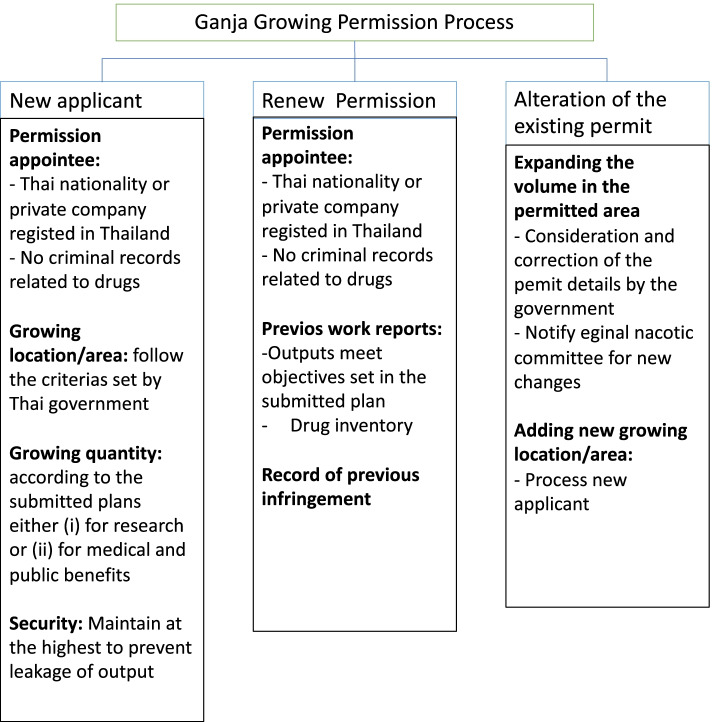
For growers, industrial hemp and licensed cultivation of ganja, for the purposes of research and scientific investigation, is legal in many places. Furthermore, growing these plants for personal use is also allowed in some countries (Ratwichit and Jitkuakul ref. 2019; Hakkarainen et al. ref. 2015; Potter et al. ref. 2015; Lenton et al. ref. 2015). As of June 2020, Thailand’s cultivation permission was only valid for C. sativa L. used for research and domestic medical purposes, and parameters like cultivation area, growing quantity, security, detailed information, and the applicant’s criminal record had to be provided along with a duly filled application form (ONCB ref. 2020; Puttasrijaru ref. 2019). Only a few types of applicants are allowed, according to the protocol, including (i) the government and (ii) public universities whose mission is to conduct research, education in agriculture, medical services, or narcotics control, and (iii) Thai farmers associated with a registered community enterprise, private university, and professional individual with a valid agreement with the mentioned register public sectors (MOPH ref. 2020). To prolong a permission, applicants must report that they have no prior criminal records involving narcotic drugs (class-5) and that their previous work progress demonstrates that they have had a consistent track record. Any change in cultivation quantity must be reported to the Thai FDA, which is part of the Ministry of Public Health (MOPH), in order to revise the agreement. Nonetheless, if the cultivation location changes, the government will consider updating the application. According to this new regulation, 2793 permissions have been granted with as many as 343 cultivation permits (as of December 2021). A number of the farmer community enterprises are involved in these permits, the majority of which have an agreement with the MOPH as a public sector counterpart (Narcotics Control Division Food And Drug Administration (FDA) ref. 2020). After the law came into effect, it was anticipated that over 200,000 individuals were prescribed medical cannabis, with 90% of those being first-time users (Kanato et al. ref. 2020). This has the potential to secure the medicinal cannabis industry’s status while also providing growers with a window of opportunity. However, the addiction stigma that reflects the negative perception of ganja use in Thai culture, adverse side effect, and complex system of safeguard are the challenges for cannabis industry and the success of implementation of this new law (Zinboonyahgoon et al. ref. 2020; Ritmontree et al. ref. 2019). The government’s license monopoly model is also seen as a barrier to private investment (Kirdphol and Junngam ref. 2020).
Legal propagation
Sharing the same scientific name as marijuana, hemp is known for its utilizable fiber. Additionally, the term “hemp seed” is recognized when the material is used as a source of seed oil. For ganja, the resinous blend of cannabinoids that localized mainly in the trichomes of floral tissues is used for recreational or as therapeutic drugs (Small ref. 2015; Clarke and Merlin ref. 2016). The international criteria, nonetheless, deems CBD as the major cannabinoid composition in the floral tissue of industrial hemp which is typically about 2% weight by weight (w/w) or less, and THC should be less than 0.3% w/w, although the European Union standard is not over 0.2% w/w (Hu et al. ref. 2019). Ganja, on the other hand, is dominated by THC, which frequently reaches 20% w/w (Chandra et al. ref. 2017). Apart from the differences in the levels of cannabinoid, hemp, and ganja are quite difficult to distinguish by their morphologies (Datwyler and Weiblen ref. 2006). Sawler et al. (Sawler et al. ref. 2015) also stated that genetic distinction, such as employing specific genes linked in THC production, is insufficient to distinguish hemp from ganja. Hemp plants are usually tall, unbranched, and grown for a high ratio of fibrous stem-to-floral material, with a higher number of flowers. Only the seed of ganja is listed as a narcotic in Thailand’s existing legislation (Gazette and Health Mo ref. 2020). However, the basis of separation of the ganja and hemp seeds employed by the Thai government has not been clearly described.
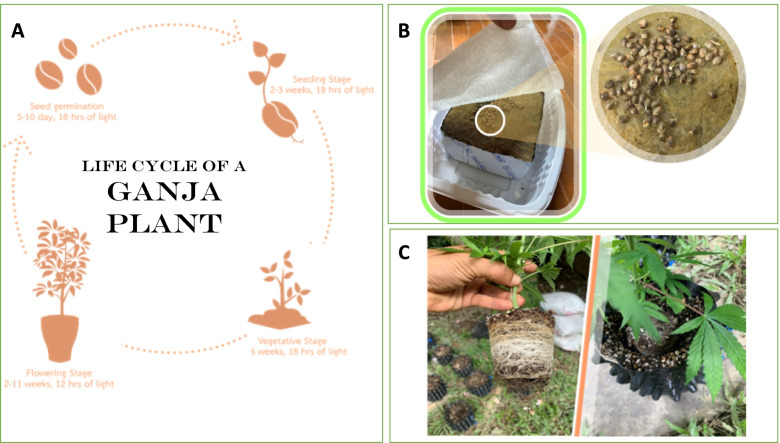
Ganja, like all other angiosperms, has a life cycle that includes seed, seed germination, seedling, vegetative phases, and flowering (Mediavilla et al. ref. 1998) (Fig. 3A). For the pharmaceutical industry, quality control (i.e., the content of medical-grade cannabinoids, biomass, and resin), seedling propagation is considerably less advantageous than vegetative or cutting propagation to avoid male plants and cross pollination of different varieties (Chandra et al. ref. 2020). When sexually propagated, a stable-line germinating seed lot and a standardized growing process are crucial (Chandra et al. ref. 2010). To initiate the rapid growth, sprouting seeds (germinating taproot) require moisture, air, and heat (Fig. 2B). The seed produces its first two leaves, also known as the cotyledons, after 2 weeks. These cotyledons are not true leaves but contain food for the young plant to survive during the first few days. The next set of leaves to appear are the “real leaves,” which resemble the classic cannabis leaves. For the first 3 weeks, the seedling(s) require a minimum of 18 h of light per day to stimulate their growth. Male plants that flower earlier are removed during the early flowering stage, and female plants are kept under the 12-h photoperiod until they reach maturity (Chandra et al. ref. 2017; Chandra et al. ref. 2020). In fact, when grown in hot, dry regions, the temperate hemp seedlings can transform into the narcotic cultivars (Small ref. 2015; Bouquet ref. 1950). Based on the current Thai law, the term ganja seed is ambiguous. However, the legal procedure requires that the applicant for growing license provides the details of seed origins with or without variety name and reports the amount of possession (ONCB ref. 2020). Mother plants of the desired genotypes are cultivated vegetatively with an artificial 18-h artificial light supply for the asexual approach. The vegetative plants are used to produce cutting with rooting hormone, which are maintained in high humidity and continuous light to produce vigorous root system (Potter ref. 2004) (Fig. 3C). The details of additional propagation material, like those required for seed, must be provided throughout the licensing process (ONCB ref. 2020).
Ganja cultivation requirement
The minimal requirements for establishing the cultivation area for medical ganja farmers’ licensing applications in Thailand include the considerations of location, storage and security, controls, and administrative activities for prevention (MOPH ref. 2019). Production, distribution, and utilization plans, as well as the purchasing order or agreement formed between farmers, farm owners, and buyers, should determine the size and amounts of cultivation (ONCB ref. 2020). The initial prerequisite for either indoor or outdoor growing is consent documentation of land or space utilized in a given location (providing evidence of ownership of the property, the geographical address with details of the GPS monitoring system). The growing space has to be protected with secured walls and durable doors with limited number of entrances (including the fire exit). Clear label with the statement “Class-5 narcotic drugs production area” as no less than 3 cm needs to be well exposed. Propagating and cultivation areas are to be separated (Fig. 4). Cultivation must adhere to Good Agricultural Practice (GAP) for herbs and standard operations for cultivating cannabis, with Thai FDA inspections for active cannabinoids and heavy metals on a regular basis (Puttasrijaru ref. 2019; ACFS ref. 2018). Finally, the permission holder has to provide Thai FDA with the standard protocols for logistics control, which includes the harvesting, transportation, and disposal for tracking. Furthermore, full security service (viz. security, electronic access control and CCTV) should be installed with the limit access to the growing site. The requirements for obtaining the permission in Thailand are concluded in Table 1. Similar requirements have been established in Canada for licensed growers. There, they are able to apply for subclasses of licenses, viz. micro, standard or nursery depending on the purpose and scale of production (Application requirements for cannabis cultivation, processing and medical sales licences ref. 2018). In Australia, however, harvesting is excluded from the cultivation license; instead, the grower has to apply for production licenses in addition to growing (ODC ref. 2020).
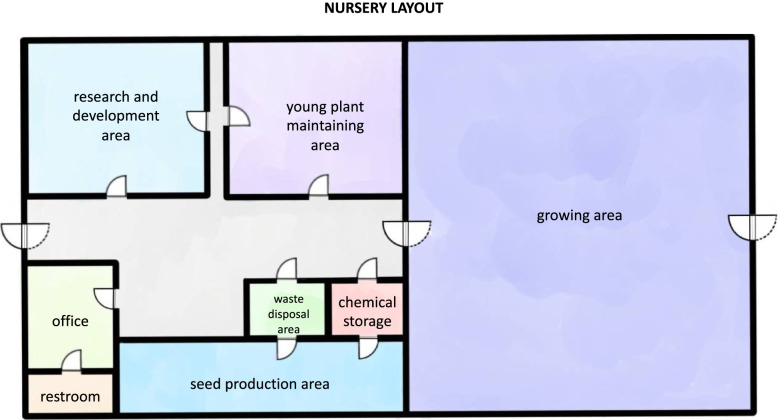
Table 1: The requirements for ganja cultivation permission in Thailand
| General requirements | Public and medical purpose | Research purpose |
|---|---|---|
| General requirement | The permit only allows growers of the community enterprises or medical professionals with agreements with government institutes and public universities. The written purchasing or distributing order has to be made with potential buyers prior to getting permission. | Government institutes and public universities can directly apply for the permit. However, farmers, medical professionals and private university of Thai nationality of no criminal offenses relating to drug (http://www.criminal.police.go.th/index.php) need to apply together with the public organizations. Growing quantity should agree with the work plan submitted at the permit submission process. |
| Cultivation site requirement | Address: Complete location address, with GPS tracking location with the valid lease contract for both outdoor and indoor cultivation.Infrastructure: Secure walls with limited access and sign (min 10 × 60 cm) with the statement “สถานที่ผลิตยาเสพติดให้โทษประเภท 5” needs to be presented. | |
| Security requirement | CCTV needs to be installed around the growing site, entrances, growing and storage areas with Electronic Access Control. Security data must be stored for at least 1 year. Security staffs are required to guard external and internal areas. | |
| Storage requirement | Output and by-product (waste from harvesting) storage areas are separated with full security system installed. | |
| Control requirement | The cultivation and harvesting procedures are to follow Good Agricultural Practices (GAP) for herbs. Standard Operation Protocols of ganja cultivation published by Ministry of Public Health are to be followed. The content of active cannabinoids, mycotoxins, and heavy metals are to be randomly examined by Thai FDA in a certified laboratory (ISO/IEC 17025). Cannabis Tracking System and inventory are to be reported to the FDA. | |
Value proposition of the current ganja policy
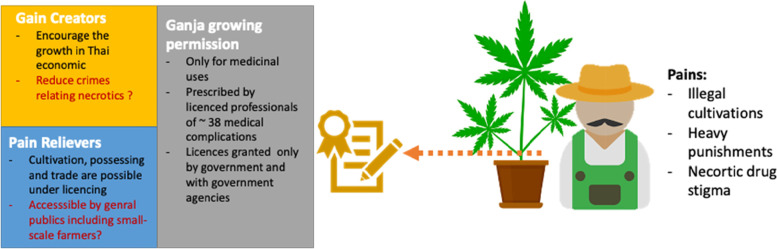
We used the value proposition canvas to highlight the true value offer to Thai farmers when looking at the cannabis laws (Clark et al. ref. 2012). We looked at the areas of (1) products/services—the national ganja policy—(2) gain creators—how are farmers benefiting from the policy—from the farmers’ perspective—and (3) pain relievers—how do they alleviate the discomfort? (Pokorná et al. ref. 2015). Figure 5 illustrates the value propositioning of the current ganja policy. The ultimate goal of legalizing marijuana cultivation (at least partially) is to protect cannabis-dependent patients’ rights to obtain cannabis for medical purposes under the supervision of a licensed physician, as well as to strengthen the country’s pharmaceutical security and prevent pharmaceutical monopolies. (Kanato et al. ref. 2020). According to the Thai FAO, there are around 40 medical conditions for which cannabis can be legally prescribed, and only about 400 medical practitioners who can authorize its usage (Cannacata ref. 2020; Sornpaisarn et al. ref. 2019). Cannabis, on the other hand, was said to have the potential to boost Thailand’s economic growth (Bangkok Post ref. 2019). Therefore, the actual pain from the agricultural sectors was that cultivation, possession, and trade were previously offensive according to the out-date provisions of the Narcotics Act, B.E. 2522 (1979). Furthermore, experts warn that legalizing ganja would cause more harm than good to the country, citing evidence that marijuana can lead to the usage of other narcotics (Saengpassa ref. 2021). While the promulgation of the law was in-line with many countries advancing the uses of cannabis, the Thai growing permission was ambiguous and involving solely by the government approvals (Bone et al. ref. 2018; Kirdphol and Junngam ref. 2020). More crucially, the private sector is not yet explicitly allowed to hold licenses unless they are in cooperative with one of the government’s licensees (Cannacata ref. 2020). Overall, it appears that cannabis is not totally legal, and the existing license is unfavorable, particularly for small-scale growers.
Uruguay and Canada are among the first countries to legalize ganja for recreational use. Canada intended to integrate public health and community safety with actual social usage, despite the fact that this was believed to be a tactical response to a powerful illicit market and high crime rates associated to drug sales in Uruguay (Cox ref. 2018). In Thailand, following the implementation of this new law, it was evident that the number of users has increased dramatically. Later in 2022, home cultivation in Thailand may become legalized for non-commercial and medicinal purposes without further licenses (Reuters ref. 2022). As a result, many investors are trying to position themselves within the legal medical market in order to obtain access to the legal recreational market. We believe that the government should invest in cannabis research and development, such as establishing legal age limits, prohibiting driving while intoxicated, and regulating the illicit market.
Conclusion
The Thai cannabis state’s legalization ambitions have been overwhelming for businesses and individuals looking to benefit from this medical drug from the start, while the current law provided much clearer definition for the narcotic parts from ganja. Because the preconditioning guidelines did not clearly distinguish the production purposes, it was questioned whether the proposed policy was more beneficial to the government than to the public state. The regulation should therefore be amended further to promote ganja as the economic crop of the country and for higher control and prevention of the cannabis misuse.
References
- ACFSGood Agricultural Practices for Herbs. Thai Agriculture Standard Bangkok National Bureau of Agricultural Commodity and Food Standards2018
- S Akasin. นโยบายสุขภาพที่เกี่ยวกับการใช้กัญชาทางการแพทย์ Health policy concerning ganja uses for medicine. J Dep Med Serv วารสารกรมการแพทย์ (in Thai), 2019
- C Angkurawaranon, W Jiraporncharoen, S Likhitsathian, K Thaikla, M Kanato, U Perngparn. Trends in the use of illicit substances in Thailand: results from national household surveys. Drug Alcohol Rev, 2018. [DOI | PubMed]
- Application requirements for cannabis cultivation, processing and medical sales licences. In: Canada H, editor. Cannabis licensing application guide: cultivation, Processing and Sale for Medical Purposes: Goverment of Cannada. 2018.
- S Aroonsrimorakot, M Laiphrakpam, O Metadilogkul. Social, religious, recreational and medicinal usage of cannabis in India and Thailand. J Thai Interdiscip Res, 2019
- Bangkok PostBangkok2019
- G Beatty. Medical Cannabis: Thailand leads worldwide healthcare promotion Business. 14:12 ed, 2020
- V Belackova, M Roubalova, K van de Ven. Overview of “home” cultivation policies and the case for community-based cannabis supply. Int J Drug Policy, 2019. [DOI | PubMed]
- M Bone, G Potter, A Klein. Introduction: cultivation, medication, activism and cannabis policy. Drugs Alcohol Today, 2018. [DOI]
- R Bouquet. Cannabis. Bull Narc., 1950
- P Brunetti, S Pichini, R Pacifici, FP Busardò, A del Rio. Herbal preparations of medical cannabis: a vademecum for prescribing doctors. Medicina., 2020. [DOI]
- CannacataMedicinal cannabis legalization in Thailand2020
- Chandra S, Lata H, ElSohly MA. Propagation of cannabis for clinical research: an approach towards a modern herbal medicinal products development. Front Plant Sci. 2020;11(958). 10.3389/fpls.2020.00958.
- Chandra S, Lata H, ElSohly MA, Walker LA, Potter D. Cannabis cultivation: methodological issues for obtaining medical-grade product. Epilepsy Behav 2017;70:302-312. doi: https://doi.org/10.1016/j.yebeh.2016.11.029.
- S Chandra, H Lata, Z Mehmedic, IA Khan, MA ElSohly. Assessment of cannabinoids content in micropropagated plants of Cannabis sativa and their comparison with conventionally propagated plants and mother plant during developmental stages of growth. Planta Medica., 2010. [DOI | PubMed]
- Chouvy P-A. Cannabis cultivation in the world: heritages, trends and challenges. EchoGéo. 2019;48:1-20.
- Clark T, Osterwalder A, Pigneur Y. Business model you: a one-page method for reinventing your career. Hoboken: Wiley; 2012.
- RC Clarke, MD Merlin. Cannabis domestication, breeding history, present-day genetic diversity, and future prospects. Crit Rev Plant Sci, 2016. [DOI]
- M Cortesi, P Fusar-Poli. Potential therapeutical effects of cannabidiol in children with pharmacoresistant epilepsy. Med Hypotheses., 2006. [DOI | PubMed]
- C Cox. The Canadian Cannabis Act legalizes and regulates recreational cannabis use in 2018. Health Policy., 2018. [DOI | PubMed]
- JL Croxford. Therapeutic potential of cannabinoids in CNS disease. CNS Drugs., 2003. [DOI | PubMed]
- SL Datwyler, GD Weiblen. Genetic Variation in Hemp and Marijuana (Cannabis sativa L.) According to Amplified Fragment Length Polymorphisms*. J Forensic Sci, 2006. [DOI | PubMed]
- O Dyer. Canada announces plans to legalise recreational marijuana. BMJ., 2017. [DOI | PubMed]
- Eggertson L. New medical marijuana regulations shift onus to doctors to prescribe. Can Med Assoc. 2013;185(12):E553–E554.
- B Fischer, S Kuganesan, R Room. Medical Marijuana programs: implications for cannabis control policy – observations from Canada. Int J Drug Policy, 2015. [DOI | PubMed]
- TR Gazette. ระบุชื่อยาเสพติดให้โทษในประเภท ๕ List of narcotic drug type 5. Bangkok 14 December B.E. 2563 (2020) Thai government, 2020
- P Hakkarainen, VA Frank, MJ Barratt, HV Dahl, T Decorte, K Karjalainen. Growing medicine: small-scale cannabis cultivation for medical purposes in six different countries. Int J Drug Policy, 2015. [DOI | PubMed]
- W Hall. Medical use of cannabis and cannabinoids. Questions and answers for policymaking 2018, 2018
- B Hollenbeck, K Uetake. Taxation and market power in the legal marijuana industry, 2020
- H Hu, H Liu, G Du, Y Fei, G Deng, Y Yang. Fiber and seed type of hemp (Cannabis sativa L.) responded differently to salt-alkali stress in seedling growth and physiological indices. Ind Crops Prod, 2019. [DOI]
- B Hughes, E Quigley, D Ballotta, P Griffiths. European observations on cannabis legalization. Addiction., 2017. [DOI | PubMed]
- NL Jialin, N Vachiraprasith, J Brown. From drug war to green rush: the evolution of drug policy in Thailand, 2020
- Kanato M, Leyatikul PMP, Wonguppa PLCR. Medical cannabis law in Thailand. Office of the Narcotics Control Board (ONCB) journal. 2020;36(2).
- K Kirdphol, N Junngam. Legal obstacles to cannabistrading in Thailand. Ajapark J, 2020
- B Kravanja. Peter Maguire and Mike Ritter, Thai Stick: Surfers, scammers, and the untold story of the marijuana trade. Asian Ethnol, 2016. [DOI]
- A Kumar, M Premoli, F Aria, SA Bonini, G Maccarinelli, A Gianoncelli. Cannabimimetic plants: are they new cannabinoidergic modulators?. Planta., 2019. [DOI | PubMed]
- Y Leechaianan, DR Longmire. The use of the death penalty for drug trafficking in the United States, Singapore, Malaysia, Indonesia and Thailand: a comparative legal analysis. Laws., 2013. [DOI]
- S Lenton, VA Frank, MJ Barratt, HV Dahl, GR Potter. Attitudes of cannabis growers to regulation of cannabis cultivation under a non-prohibition cannabis model. Int J Drug Policy, 2015. [DOI | PubMed]
- R MacCoun, P Reuter. Interpreting Dutch Cannabis policy: reasoning by analogy in the legalization debate. Science., 1997. [DOI | PubMed]
- Mastinu A, Premoli M, Ferrari-Toninelli G, Tambaro S, Maccarinelli G, Memo M, et al. Cannabinoids in health and disease: pharmacological potential in metabolic syndrome and neuroinflammation. Horm Mol Biol Clin Invest. 2018;36(2). 10.1515/hmbci-2018-0013.
- S Mayor. WHO proposes rescheduling cannabis to allow medical applications. BMJ., 2019. [DOI | PubMed]
- V Mediavilla, M Jonquera, I Schmid-Slembrouck, A Soldati. Decimal code for growth stages of hemp (Cannabis sativa L.). J Int Hemp Assoc., 1998
- MOPHแนวทางการปฏิบัติ ด้านการจัดเตรียมสถานที่ การเก็บรักษาและการควบคุมการใช้สำหรับผู้ขอรับอนุญาตปลูก ซึ่งยาเสพติดให้โทษในประเภท ๕ เฉพาะกัญชา. 399-3/2562 Bangkok Narcotics Control Division, Food And Drug Administration, Ministry of Public Health2019
- MOPHไครปลูกกัญชาได้บ้าง Who can grow ganja? Bangkok Narcotics control division, Ministry of Heath2020
- K Müller-Vahl, H Kolbe, U Schneider, H Emrich. Cannabis in movement disorders. Complement Med Res, 1999. [DOI]
- Narcotics Control Division Food And Drug Administration (FDA), Ministry of Public Health (MOPH), Nonthaburi. 2020. https://hemp.fda.moph.go.th/FDA_MARIJUANA/staff/marijuana_report_public.
- P Nonthasawadsri. Drug Use, Drug abuse and implementations of medical cannabis regulations in Thailand. Public Health Policy Laws J (in Thai), 2020
- ODC. Medicinal cannabis cultivation and production licences and permits. 2020. https://www.odc.gov.au/medicinal-cannabis-cultivation-and-production-licences-and-permits. Accessed 29 Dec 2020.
- แนวทางการพิจารณาอนุญาตให้ปลูกกัญชา พ.ศ. ๒๕๖๓ Consideration protocol for ganja cultivation 2020 (B.E. 2563). Bangkok Office of the Narcotics Control Board, 2020
- E Parpart. Green rush. ASIA FOCUS. 04:31 ed, 2020
- RG Pertwee. Cannabinoids and multiple sclerosis. Pharmacol Ther, 2002. [DOI | PubMed]
- J Pokorná, L Pilař, T Balcarová, I Sergeeva. Value proposition canvas: identification of pains, gains and customer jobs at farmers’ markets. AGRIS Online Papers Econ Inform, 2015. [DOI]
- Potter D. Growth and morphology of medicinal cannabis. In: Guy GW, WhittleB A, Robson PJ, editors. Med Uses Cannabis Cannabinoids. London: Pharmaceutical Press; 2004. p. 17–54.
- GR Potter, MJ Barratt, A Malm, M Bouchard, T Blok, A-S Christensen. Global patterns of domestic cannabis cultivation: sample characteristics and patterns of growing across eleven countries. Int J Drug Policy, 2015. [DOI | PubMed]
- M Premoli, F Aria, SA Bonini, G Maccarinelli, A Gianoncelli, S Della Pina. Cannabidiol: recent advances and new insights for neuropsychiatric disorders treatment. Life Sci, 2019. [DOI | PubMed]
- Puttasrijaru S. Medical cannabis regulations and implementations of Thailand Thai Food and Drug Journal. 2019(2):10-19.
- L Rägo, B Santoso. Drug regulation: history, present and future. drug benefits and risks: International textbook of clinical pharmacology, 2008
- S Ratwichit, P Jitkuakul. Perception and attitude towards on customer decision making on cannabis products in upper northeast of Thailand, 2019
- J Rehm, T Elton-Marshall, B Sornpaisarn, J Manthey. Medical marijuana. What can we learn from the experiences in Canada, Germany and Thailand?. Int J Drug Policy, 2019. [DOI | PubMed]
- ReutersThailand gives green light to growing cannabis at home2022
- Ritmontree S, Kanato M, Leyatikul P. The health, economic, and social effects of cannabis use in Thailand [version 1; peer review: 1 approved with reservations, 1 not approved]. F1000Research. 2019;8(614). 10.12688/f1000research.17391.1.
- Saengpassa C. Free trade in marijuana will do more bad than good, warns academic. The Nation Bangkok; 2021.
- D Saingam, S Assanangkornchai, AF Geater, Q Balthip. Pattern and consequences of krathom (Mitragyna speciosa Korth.) use among male villagers in southern Thailand: A Qualitative Study. Int J Drug Policy., 2013. [DOI | PubMed]
- J Sawler, JM Stout, KM Gardner, D Hudson, J Vidmar, L Butler. The genetic structure of marijuana and hemp. PLoS One., 2015. [DOI | PubMed]
- E Small. Evolution and classification of Cannabis sativa (Marijuana, Hemp) in relation to human utilization. Bot Rev, 2015. [DOI]
- SR Sommano, C Chittasupho, W Ruksiriwanich, P Jantrawut. The Cannabis Terpenes. Molecules., 2020. [DOI]
- B Sornpaisarn, J Manthey, J Rehm. Think clearly about the medical marijuana policy in Thailand. J Health Sci., 2019
- Suphanchaimat R, Pavasuthipaisit C. Potential benefits and risks from medicalisation and legalisation of cannabis. J Health Syst Res (in Thai). 2018;12(1).
- K Thaikla, K Pinyopornpanish, W Jiraporncharoen, C Angkurawaranon. Cannabis and Kratom online information in Thailand: Facebook trends 2015–2016. Subst Abuse Treat Prev Policy, 2018. [DOI | PubMed]
- P Tipparat, W Kunkaew, S Julsrigival, S Pinmanee, S Natakankitkul. Classification of cannabis plants grown in Northern Thailand using physico-chemical properties. J Nat Sci Res., 2014
- P Tipparat, S Natakankitkul, P Chamnivikaipong, S Chutiwat. Characteristics of cannabinoids composition of Cannabis plants grown in Northern Thailand and its forensic application. Forensic Sci Int., 2012. [DOI | PubMed]
- UNSingle convention on narcotic drugs, 1961. The UN office1972GenevaUnited Nations
- N Zinboonyahgoon, S Srisuma, W Limsawart, AS Rice, C Suthisisang. Medicinal cannabis in Thailand: 1-year experience after legalization. Pain., 2021. [DOI | PubMed]
- Zinboonyahgoon N, Srisuma S, Limsawart W, Rice ASC, Suthisisang C. Medicinal cannabis in Thailand: 1-year experience after legalization. Pain. 2020; Articles in Press. 10.1097/j.pain.0000000000001936.